Ice cave and glacier photoshoots in Iceland: season, guides and how the day is planned
A blue ice cave inside Vatnajökull is one of the most photogenic rooms on earth, and it is also the Icelandic photoshoot with the most rules attached: natural caves only exist in winter, and nobody — photographer, client or guide — sets foot on glacier ice without a licensed guide. The good news is that there are two different sessions here, and only one of them needs a tour at all.
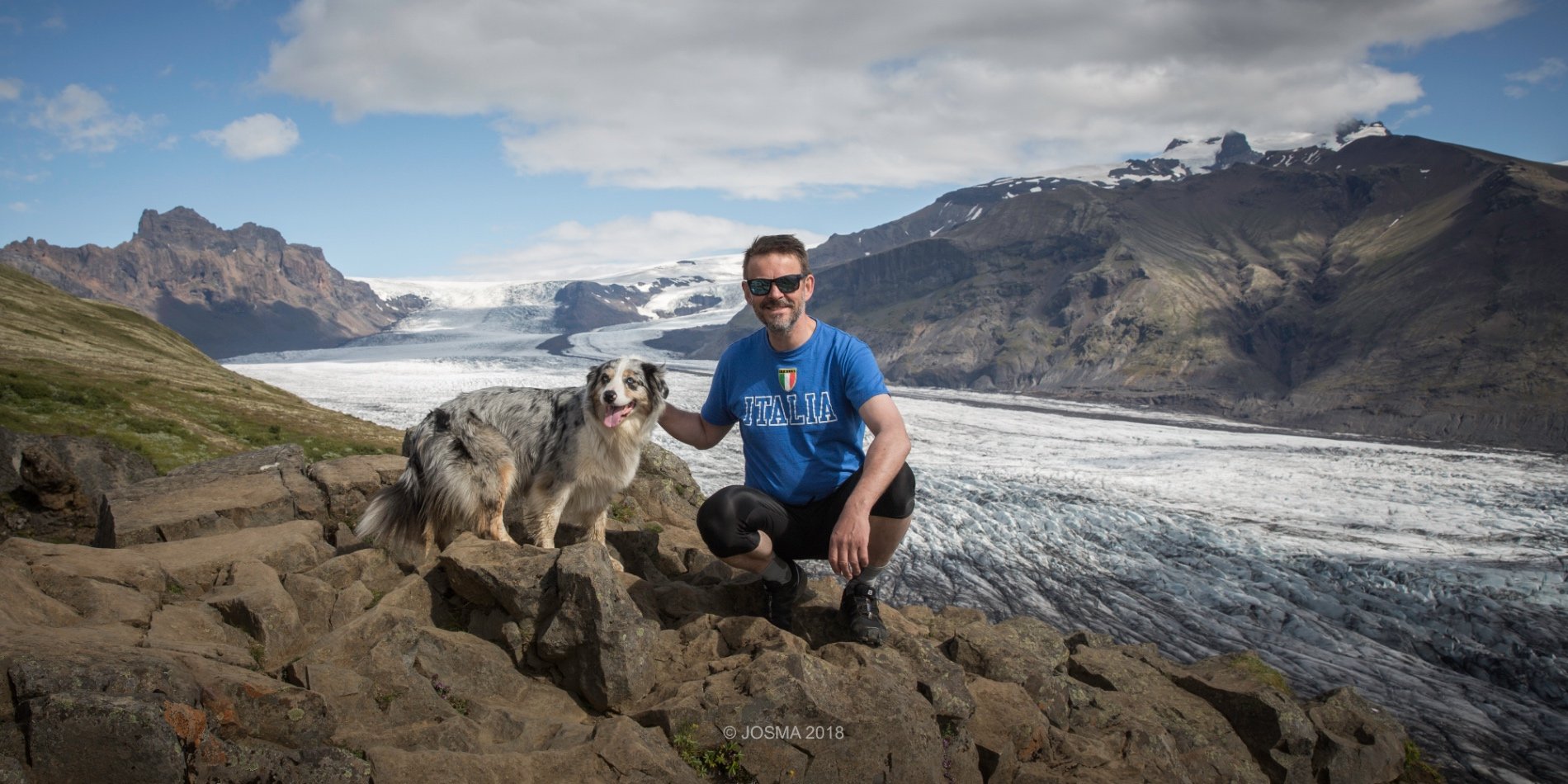
Real shots from Skaftafell
Two sessions, not one
The glacier front. At Skaftafell, a flat forty-minute walk from the visitor centre ends at the snout of Skaftafellsjökull: a grey-blue wall of crevassed ice with a meltwater lagoon in front of it. You stand in front of the ice, not on it, so this works in any month, needs no tour, no crampons and no particular fitness. For most couples it is the better photograph anyway — you get the scale of the glacier and the sky, which a cave interior cannot give you.
Inside the ice. A guided ice cave is a different experience and a different picture: enclosed, blue, textured, with light coming through the ceiling rather than from a sky. It requires booking onto a tour with a licensed operator, it is weather-dependent, and for natural caves it is seasonal.
Deciding which one you want is the first conversation to have with your photographer, because they book completely differently.
The season, honestly
Natural ice caves form when autumn cold refreezes channels that summer meltwater carved through the glacier. They are surveyed each autumn, they change from year to year, and some simply do not come back. The usable window runs roughly from November to March; outside it, meltwater fills the caves and ceilings become unstable, which is why responsible operators close them rather than take chances.
Two year-round alternatives exist for anyone travelling in summer. A man-made tunnel bored into the Langjökull ice cap in the west runs all year, and some operators work a black-ice cave under Mýrdalsjökull near Vík outside the natural-cave season. Availability and access change season to season, so check what is actually running for your dates rather than assuming.
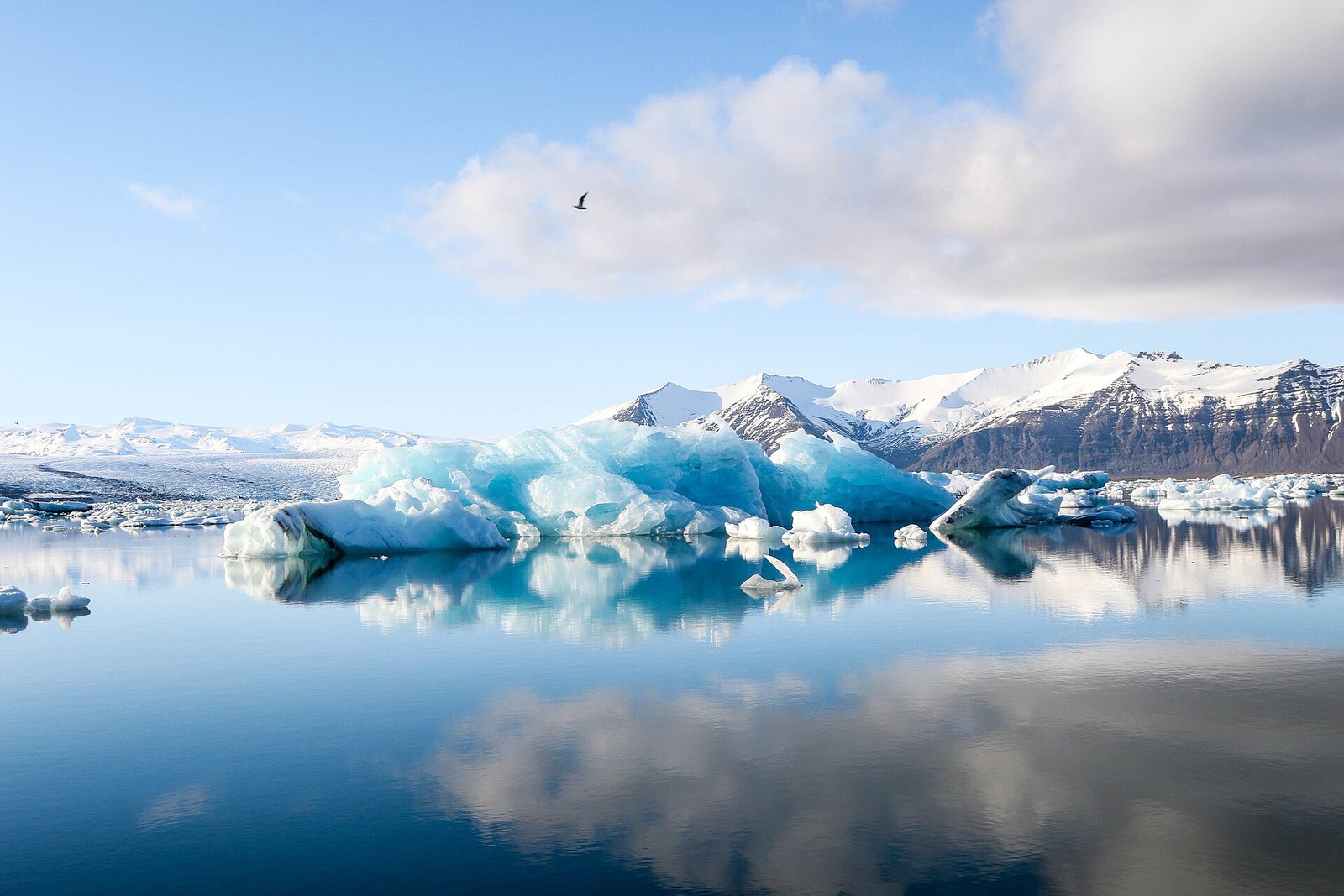
If a cave is not on for your trip, the glacier front at Skaftafell and the icebergs at Jökulsárlón deliver ice in the frame every single month of the year.
Nobody walks on the ice without a licensed guide
This is not a formality and it is not negotiable. Glacier surfaces hide crevasses under thin snow bridges, moulins drop straight through the ice, and cave ceilings shed blocks without warning — the risks are invisible to anyone who is not trained to read them. Every session that involves standing on or inside glacier ice runs with a licensed glacier guide, who supplies helmet and crampons and decides on the day whether the cave is safe to enter.
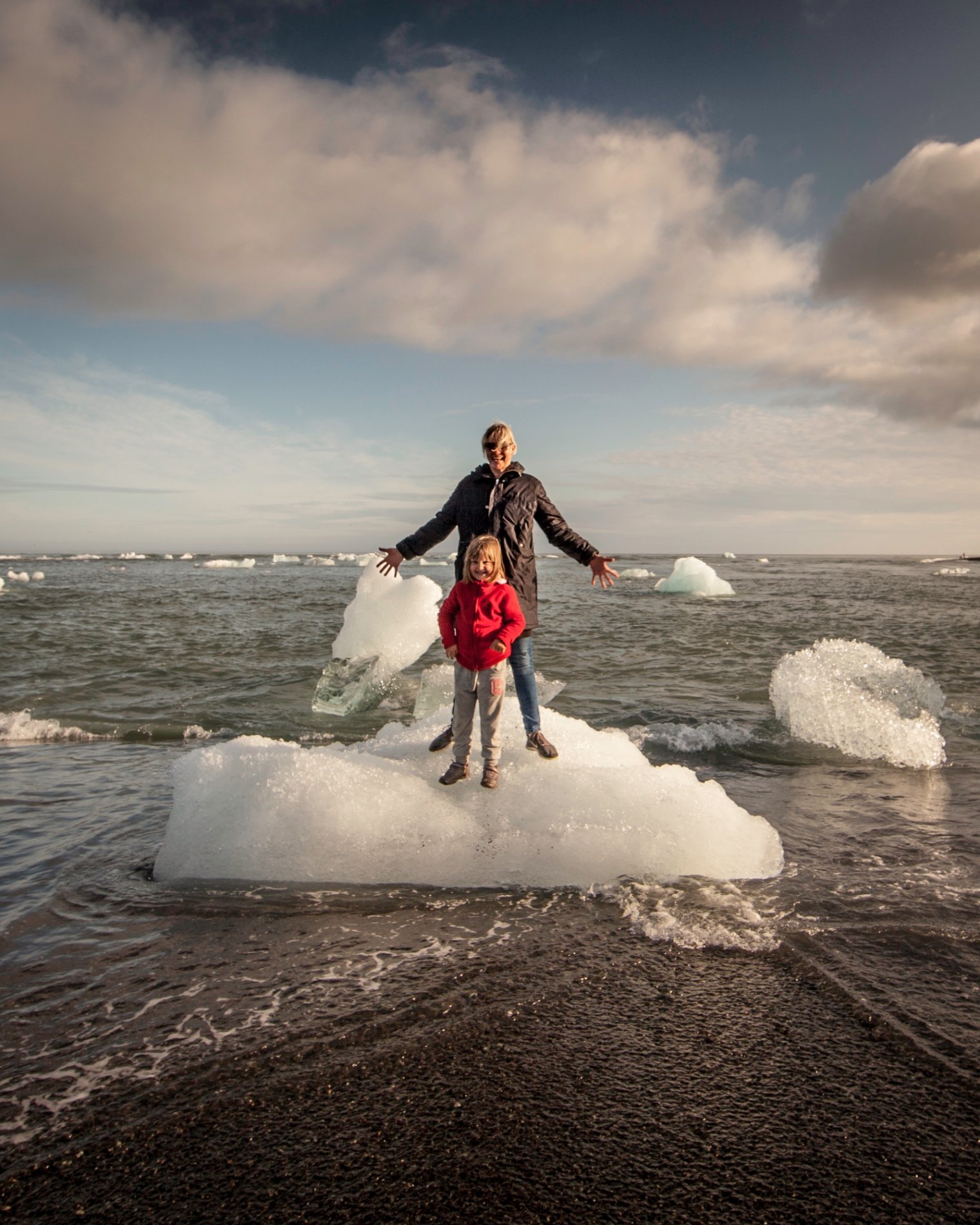
The same national park rules apply above ground. In Vatnajökull National Park you stay on marked paths, and drones need a permit — check before you launch rather than after. And the ice at the water's edge is off-limits everywhere: nobody poses on a berg at Diamond Beach or on floating ice at the lagoon, however still it looks. Bergs roll, and the water is glacial.
Your photographer's job inside a cave is to work fast and safely within the guide's instructions, not to negotiate them.
How a session is actually planned
The order matters, and it surprises people:
- Book the ice cave tour first. Departures are limited in winter and sell out, and the tour dictates your day.
- Then book the photographer for the same departure, as a paying participant on the same tour. That is the normal arrangement — a photographer cannot simply meet you on a glacier.
- Choose private over group if the photographs matter. On a group tour you share the cave with everyone else on it and you move on the guide's timetable. A private departure costs more and buys the two things a photoshoot needs: time in the best spot and an empty frame.
- Add the surface hours around it. Most people pair the cave with a golden-hour session at the lagoon and Diamond Beach, which is where the trip's best pictures usually come from.
One thing to budget for: the tour is a separate purchase. Our guide to what a photoshoot in Iceland costs sets out what a session price does and does not include — guided tours such as ice caves are not part of it.
What clients say about this kind of shoot
I am a part of a choir in Iceland, and we played a part in a JCS (Jesus Christ Superstar) production at Harpa in Reykjavík, Iceland. I asked my friend Johann Smári to attend the dress rehearsal and feel free to take some photos. The outcome was amongst these 4 photos here on the site and many more outstanding shots, which we use on posters and ads for our choir. And on top of it, Jóhann Smári is a good man and nice to have around.
— Gísli F. on Johann K.
I have done a few photoshoots with Smári and always have had a great experience. He is a great photographer and has such a good eye for great locations for the kind of photoshoot I had in mind. I am always surprised at how good the photos come out. If you are looking for someone with great experience on the best places to take photos, have worked in many events and all around great at bringing art to life, through lenses, then Smári is your guy.
— Marly G. on Johann K.
We absolutely love the photos Johann Smári took of us! He is professional, friendly, and made us feel so comfortable. We're so happy with the beautiful memories he captured. Highly recommend him!
— Kara & Gummi on Johann K.
This was such a wonderful experience to book on our last day in Iceland. Lisa was not only incredibly professional and talented as a photographer, but just so friendly and knowledgeable about Iceland's geography, lore and local intel, sharing so many anecdotes that it also felt like a private tour with a friend. It had a great personal touch — it felt like we experienced quieter spots of Iceland, away from the tourists. I lost track of how many times I smiled and laughed, and it was a perfect way to end the trip. If I ever come back to Iceland I will be booking Lisa again. Thank you, Lisa, for making our last day in Iceland truly magical ☆
— Adam on Lisa N.
Lisa was an absolutely amazing host! I loved how she was able to tailor the experience to me and let me explore little-known areas around the Golden Circle. She was funny, kind, super informative and an overall great person; she felt like a friend from the moment we met. I'm super excited to see the photos!
— KaRissi on Lisa N.
Loved it x1000! Lisa is super sweet and personalises the experience based on what you like. This was a great start to my solo trip — can't wait to see the pictures! She captured all my good angles and helped guide me on what to do ✨ Thank you, Lisa, till next time!
— Aniya on Lisa N.
Light, cold, and what to wear
Caves are dark. Light arrives through the ice above, so it is blue, soft and much dimmer than it looks to your eye; a photographer will be working wide open at high ISO, and small groups moving slowly help more than any lighting kit. The blue reads strongest on overcast days, which is Iceland's default in winter anyway.
For clothing, the cave overrules the outfit. You will be issued a helmet and crampons and you will be walking on ice: that means real boots the crampons can attach to, waterproof outer layers, and gloves. Dress moments happen in short bursts with a coat over the top the rest of the time — the same technique our guide on what to wear for a photoshoot in Iceland describes for black beaches, only colder and with a hard hat.
Two more practical notes: the floor is wet and uneven, so nothing with a heel ever works; and coming from cold into a warm car fogs lenses, which is why photographers here leave gear in the bag for a few minutes rather than wiping it.
The rest of the day
The cave is usually two to four hours including transfer, which leaves the best light of a short winter day for the surface. The standard pairing is the lagoon and Diamond Beach at sunrise or sunset — the double bill described in our South Coast photo guide — and, if the sky clears, the aurora over floating ice after dark.
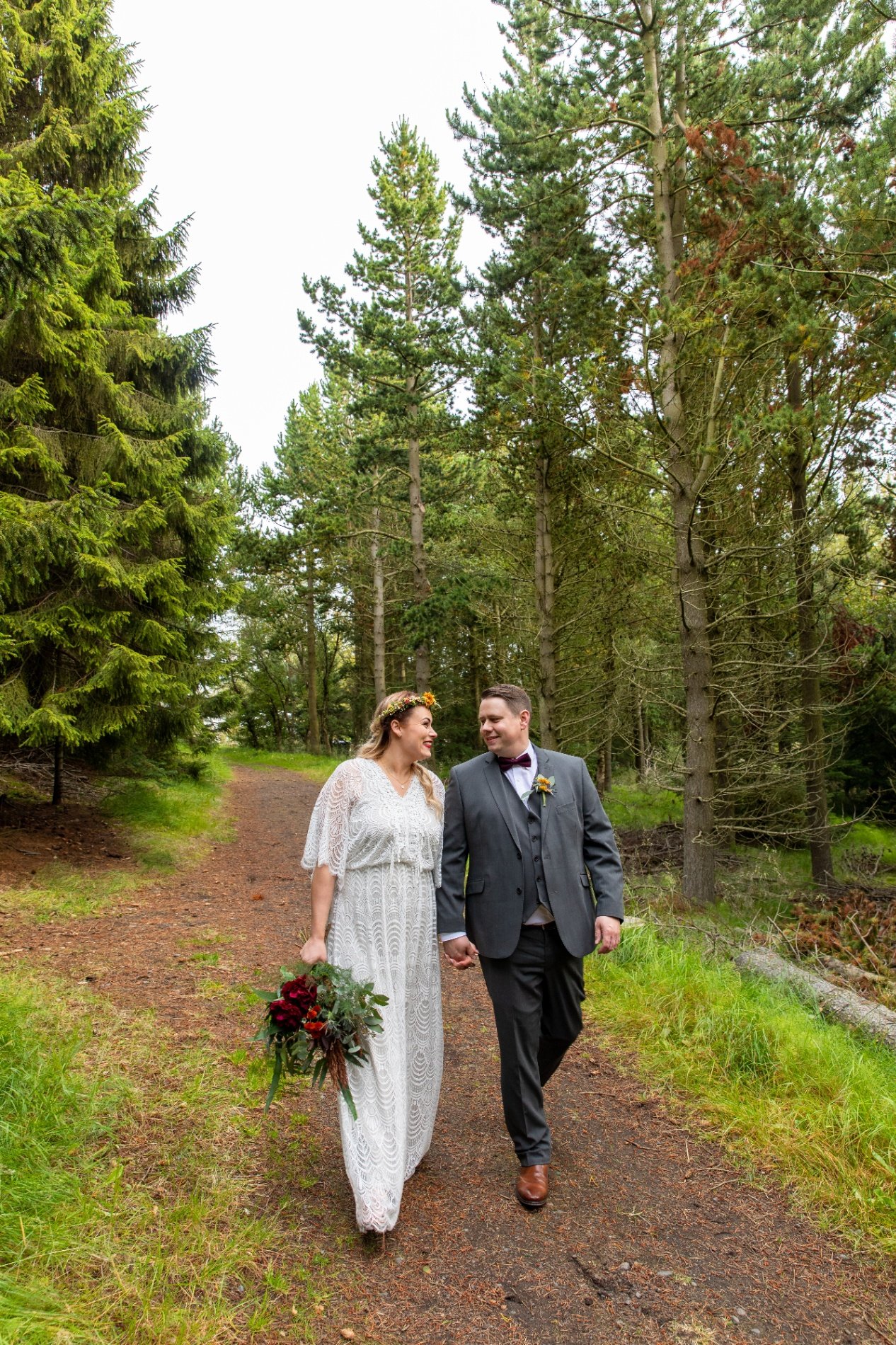
For couples marking something, an elopement at Skaftafell built around a glacier morning and a lagoon evening is one of the strongest winter itineraries in the country; if you are planning something larger, our wedding pages cover how photographers here handle full ceremony days.
Book it
Every photographer sets the price of each of their packages, and every price shown is all-inclusive — nothing is added at checkout. Browse the photographers, compare their packages on duration, region and photo count, and book the one that fits; your edited gallery usually arrives within about a week. Ice cave tours are booked separately with a licensed operator and are not included in the session price.
Book the tour first, then tell us the departure time and meeting point when you book the shoot. Browse photographers covering the south coast and Vatnajökull, or start with a couples session and build the glacier day around it.
Frequently asked questions
When is ice cave season in Iceland?
Natural blue ice caves are generally accessible from about November to March. They form when autumn cold refreezes channels cut by summer meltwater, they are surveyed fresh each season, and they change or disappear from year to year. Outside that window meltwater floods them and ceilings become unstable, so responsible operators close them. Man-made and black-ice alternatives run in some other months — check what is actually operating for your dates.
Can we do an ice cave photoshoot without a guide?
No. Every session on or inside glacier ice runs with a licensed glacier guide, who provides helmet and crampons and decides on the day whether the cave is safe. Crevasses hide under snow, meltwater shafts drop through the ice and ceilings shed blocks without warning. Your photographer joins the same tour as a paying participant, which is the normal arrangement, and works within the guide's instructions.
Do we need an ice cave to get glacier photos in Iceland?
Not at all. At Skaftafell a flat forty-minute walk reaches the snout of Skaftafellsjökull, where you stand in front of a crevassed wall of ice with no tour, no crampons and no season limit. Jökulsárlón supplies icebergs year-round and Diamond Beach the polished ice on black sand. For most couples these frames show more scale than a cave interior does.
What should I wear for an ice cave photoshoot?
Dress for the glacier first and the photograph second. You will be issued crampons, so bring proper boots they can attach to, plus waterproof outer layers, warm mid-layers and gloves. Floors are wet and uneven, so heels never work. Dress or suit moments happen in short bursts with a warm coat back on in between, and the helmet the guide gives you stays on inside the cave.
Want professional photos in Skaftafell?
Browse portfolios, compare packages, and book a verified local photographer in minutes.