Eloping in Iceland: Paperwork, Seasons, Locations and the Honest Logistics (2026)
Iceland is the elopement everyone pictures: a waterfall behind the vows, black sand underfoot, a sky that might turn green after dinner. What the pictures leave out is the admin — documents a district commissioner needs weeks in advance, a road that closes in a gale, an officiant who also has to drive two hours to reach you. This is the unglamorous half of eloping in Iceland: what has to be true for the beautiful half to happen.
Legal marriage or symbolic ceremony? Decide this first
Everything else — timing, budget, who you hire — follows from this one choice.
Getting legally married in Iceland
Foreign couples can marry legally in Iceland: the marriage is registered through the district commissioner, the Sýslumaður, and the ceremony is performed either at the commissioner's office or by a registered officiant — a pastor of the national church, a goði of the Ásatrú fellowship or a celebrant of the humanist association Siðmennt. Outdoor ceremonies at a waterfall or on a beach are almost always done by one of these officiants, who travel to you.
In general terms, the Sýslumaður will want to see, for both of you:
- the marriage notification form the office provides;
- a valid passport;
- a birth certificate;
- a recent certificate of marital status — proof you are free to marry — from your home country;
- if either of you was married before, the divorce decree or the previous spouse's death certificate.
Documents are normally accepted in Icelandic, English or a Nordic language; anything else needs a certified translation. The file is submitted ahead of time and the review takes weeks, not days, so send it well before you travel. The ceremony needs two witnesses — your photographer and driver often step in. Requirements, fees and processing times change, so confirm the current list directly with the Sýslumaður before booking flights around a ceremony date. Afterwards you receive an Icelandic marriage certificate; your home country may want an apostille before registering it.
The symbolic route
Many couples skip Icelandic paperwork entirely: they sign at their local registry office before or after the trip and hold a symbolic ceremony in Iceland. Nothing is filed with the Sýslumaður, anyone can officiate — a celebrant, a friend, or just the two of you reading vows at Skógafoss — and the day is exactly as meaningful, minus the admin risk. With fixed dates and a short lead time, this is usually the wiser choice.
Which season? The honest trade-offs
There is no perfect month, only different compromises.
September–October. Our favourite window: nights dark enough for the northern lights again, autumn colour on the moss and birch, most roads open and daylight still generous — around fourteen hours in early September, about eight by the end of October. What "a chance of aurora" really means is in our northern lights photoshoot guide.
February–March. Snow on the black sand, ice caves open with a guide, and aurora nights with far more daylight than December: about seven hours in early February, over thirteen by late March. Storms and road closures still happen; you need spare days.
June–July. Midnight sun. Around the solstice the sun in Reykjavík sets for about three hours but it never gets properly dark, so a ceremony at 11 pm with hours of golden light is realistic. No aurora, more visitors, lupines in June.
Location shortlist
Drive times from Reykjavík in normal conditions; in winter add time and check road.is.
| Location | Drive | Why | Watch out for |
|---|---|---|---|
| Þingvellir | ~45 min | Rift valley, Öxarárfoss, the old assembly site | Ceremonies need advance permission |
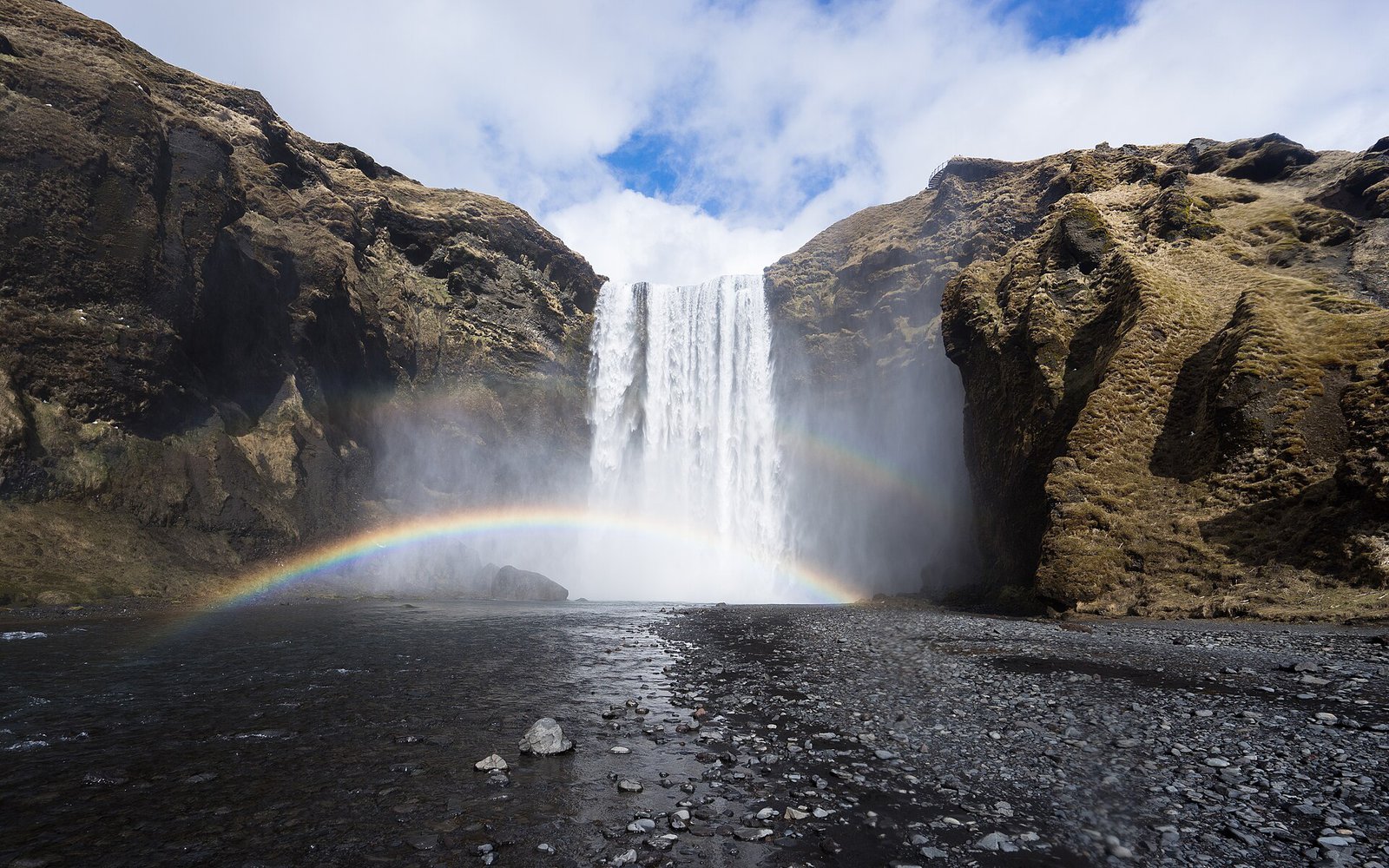
| Skógafoss | ~2 h | 60-metre waterfall, rainbows in sun | Spray soaks everything; midday crowds |
| Reynisfjara / Vík | ~2.5 h | Basalt columns, black sand, sea stacks | Sneaker waves — never turn your back on the sea |
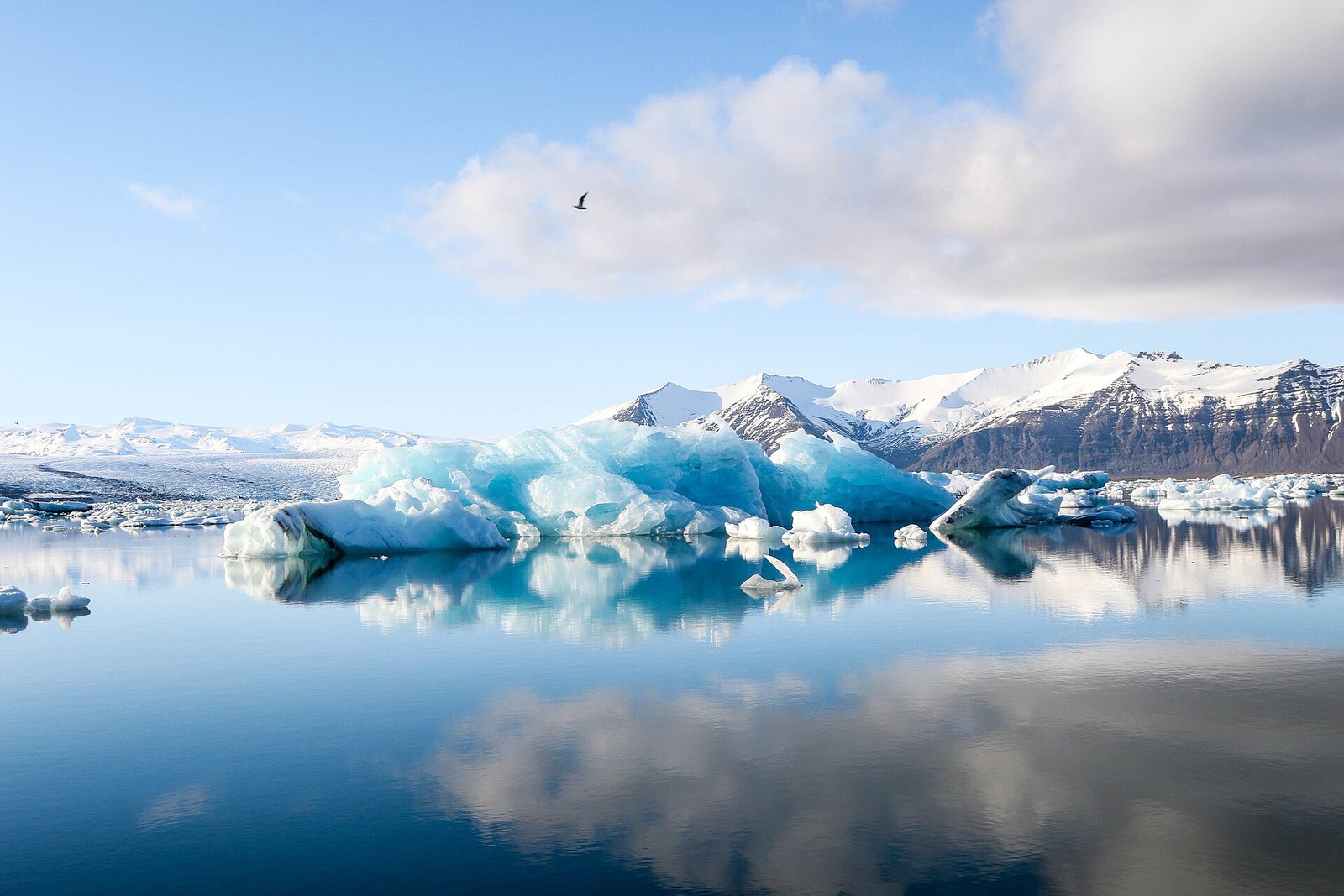
| Jökulsárlón & Diamond Beach | ~5 h | Icebergs on black sand | Long day; better with a night near Höfn |
| Kirkjufell | ~2.5 h | Iceland's most photographed mountain | Wind on the peninsula; small car park |
| Glacier / ice cave | varies | Blue ice, nothing else like it | Certified guide mandatory; natural caves are winter-only |
Þingvellir is the calm choice: close to the city, sheltered paths, and a permit that is easy to arrange if you ask early. Skógafoss is the postcard; bring a cloth for the lens and accept wet hems. Reynisfjara is beautiful and genuinely dangerous — stay well back from the waterline. Jökulsárlón and Diamond Beach reward couples who give the south coast two days rather than a dash. A glacier or ice cave is a private guided tour: the guide sets the pace, the gear and the rules.
Permits and rules
Þingvellir asks couples to apply for permission to hold a ceremony in the park; Jökulsárlón and Skaftafell lie inside Vatnajökull National Park, where drones and commercial filming are regulated. Several popular sites now charge for parking, and drones are banned at many protected places — a local photographer knows the current rules.
What clients say about this kind of shoot
I am a part of a choir in Iceland, and we played a part in a JCS (Jesus Christ Superstar) production at Harpa in Reykjavík, Iceland. I asked my friend Johann Smári to attend the dress rehearsal and feel free to take some photos. The outcome was amongst these 4 photos here on the site and many more outstanding shots, which we use on posters and ads for our choir. And on top of it, Jóhann Smári is a good man and nice to have around.
— Gísli F. on Johann K.
I have done a few photoshoots with Smári and always have had a great experience. He is a great photographer and has such a good eye for great locations for the kind of photoshoot I had in mind. I am always surprised at how good the photos come out. If you are looking for someone with great experience on the best places to take photos, have worked in many events and all around great at bringing art to life, through lenses, then Smári is your guy.
— Marly G. on Johann K.
We absolutely love the photos Johann Smári took of us! He is professional, friendly, and made us feel so comfortable. We're so happy with the beautiful memories he captured. Highly recommend him!
— Kara & Gummi on Johann K.
This was such a wonderful experience to book on our last day in Iceland. Lisa was not only incredibly professional and talented as a photographer, but just so friendly and knowledgeable about Iceland's geography, lore and local intel, sharing so many anecdotes that it also felt like a private tour with a friend. It had a great personal touch — it felt like we experienced quieter spots of Iceland, away from the tourists. I lost track of how many times I smiled and laughed, and it was a perfect way to end the trip. If I ever come back to Iceland I will be booking Lisa again. Thank you, Lisa, for making our last day in Iceland truly magical ☆
— Adam on Lisa N.
Lisa was an absolutely amazing host! I loved how she was able to tailor the experience to me and let me explore little-known areas around the Golden Circle. She was funny, kind, super informative and an overall great person; she felt like a friend from the moment we met. I'm super excited to see the photos!
— KaRissi on Lisa N.
Loved it x1000! Lisa is super sweet and personalises the experience based on what you like. This was a great start to my solo trip — can't wait to see the pictures! She captured all my good angles and helped guide me on what to do ✨ Thank you, Lisa, till next time!
— Aniya on Lisa N.
Weather plan B, written down before you fly
Iceland's forecast is only useful a few days out, and wind matters more than rain.
- Arrive at least two days before the ceremony and keep a spare day after it.
- Check vedur.is and road.is every morning; a yellow or orange warning means you change the plan, not push through.
- Agree a swap rule with your photographer and officiant in advance: south coast closed, you move to Þingvellir or the Reykjanes peninsula; everything closed, you move the day.
A full-day timeline that actually works
An example for late September, the way our couples typically run it:
| Time | What |
|---|---|
| 09:00 | Hair, makeup and getting ready in Vík or Reykjavík |
| 11:30 | First look near the hotel, out of the wind |
| 13:00 | Drive; ceremony at Skógafoss in the early afternoon |
| 15:30 | Seljalandsfoss or the black beach at Vík for portraits |
| 18:30 | Golden hour at Reynisfjara, then dinner in Vík |
| 22:00–01:00 | Aurora attempt if the forecast allows — layers over the dress |
In February the same day fits into roughly 10:00–17:30 of usable light; in June the ceremony can be at 22:00.
Vendor realism
- Photographer. Book first; their availability shapes the date. Choose someone who has shot Iceland in your season and will say no to a dangerous spot. Browse our elopement photographers and read how they describe a full day, not just an hour.
- Officiant. Legal: a registered officiant who will travel. Symbolic: anyone you love. Either way, confirm travel time and weather flexibility in writing.
- Driver. In winter, a driver with a 4x4 — or a super-jeep for glacier access — removes the biggest risk from your day. In summer, self-driving is fine if the itinerary stays short.
The short version
Decide legal or symbolic first; if legal, send the Sýslumaður your documents weeks ahead and confirm every requirement with them, not with a blog. Pick September–October or February–March for aurora, June–July for midnight sun. Shortlist two locations and one indoor fallback, arrive early, and hire people who know the roads. The waterfall will do the rest.
Frequently asked questions
Can foreigners legally get married in Iceland?
Yes. The marriage is registered through the district commissioner, the Sýslumaður, and the ceremony is performed by a registered officiant who will travel to you. Both of you need passports, birth certificates, proof that you are free to marry and any divorce papers, submitted weeks ahead, plus two witnesses on the day. Requirements change, so confirm the current list with the Sýslumaður before booking flights, or hold a symbolic ceremony and sign at home.
What is the best season to elope in Iceland?
September and October are the favourite: dark enough for a possible aurora, autumn colour, open roads and still generous daylight. February and March add snow and ice caves with far more daylight than December, when the sun is up for only four to five hours. June and July offer the midnight sun and a ceremony at 23:00 in golden light. Whatever you pick, arrive at least two days early and keep a spare day, because wind rewrites plans.
Do we need a permit for an elopement at a waterfall or in a national park?
Sometimes. Þingvellir asks couples to apply in advance for permission to hold a ceremony in the park, and Jökulsárlón and Skaftafell sit inside Vatnajökull National Park, where commercial filming and drones are regulated. Several popular sites now charge for parking, and drones are banned at many protected places. Rules change, so check with the site and with a local photographer, who deals with them every season, before you commit to a spot.
Want professional photos at Þingvellir?
Browse portfolios, compare packages, and book a verified local photographer in minutes.