Best time of year for photos in Iceland: midnight sun, winter light and the shoulder seasons
Iceland does not have a bad season for photos. It has four very different ones, and the gap between them is bigger than anywhere else in Europe: Reykjavík gets about four hours of daylight at Christmas and more than twenty-one in late June. The light, not the weather, is the variable you can actually plan around, so this guide starts there.
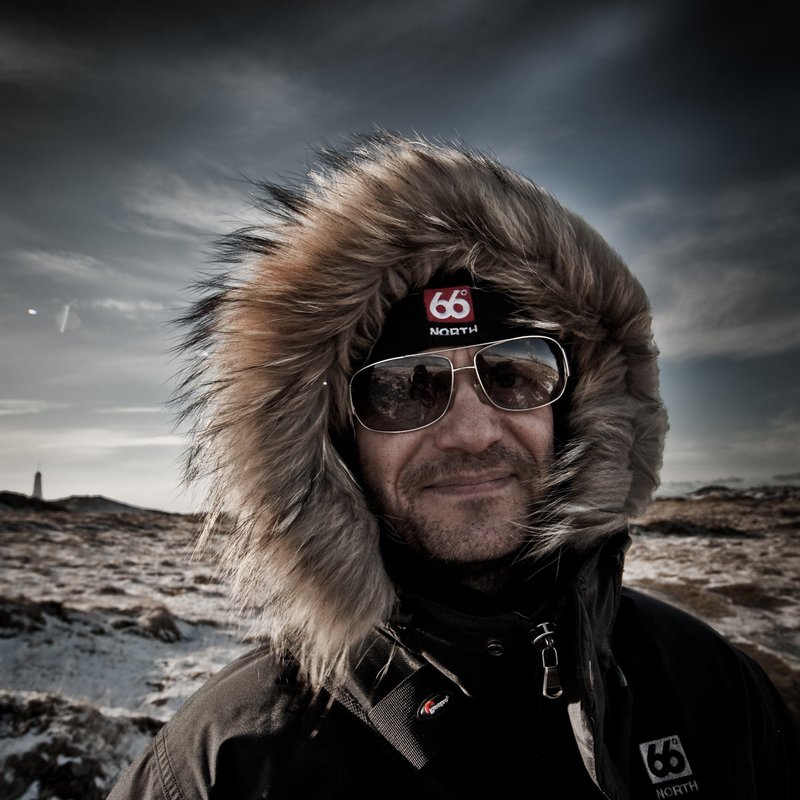
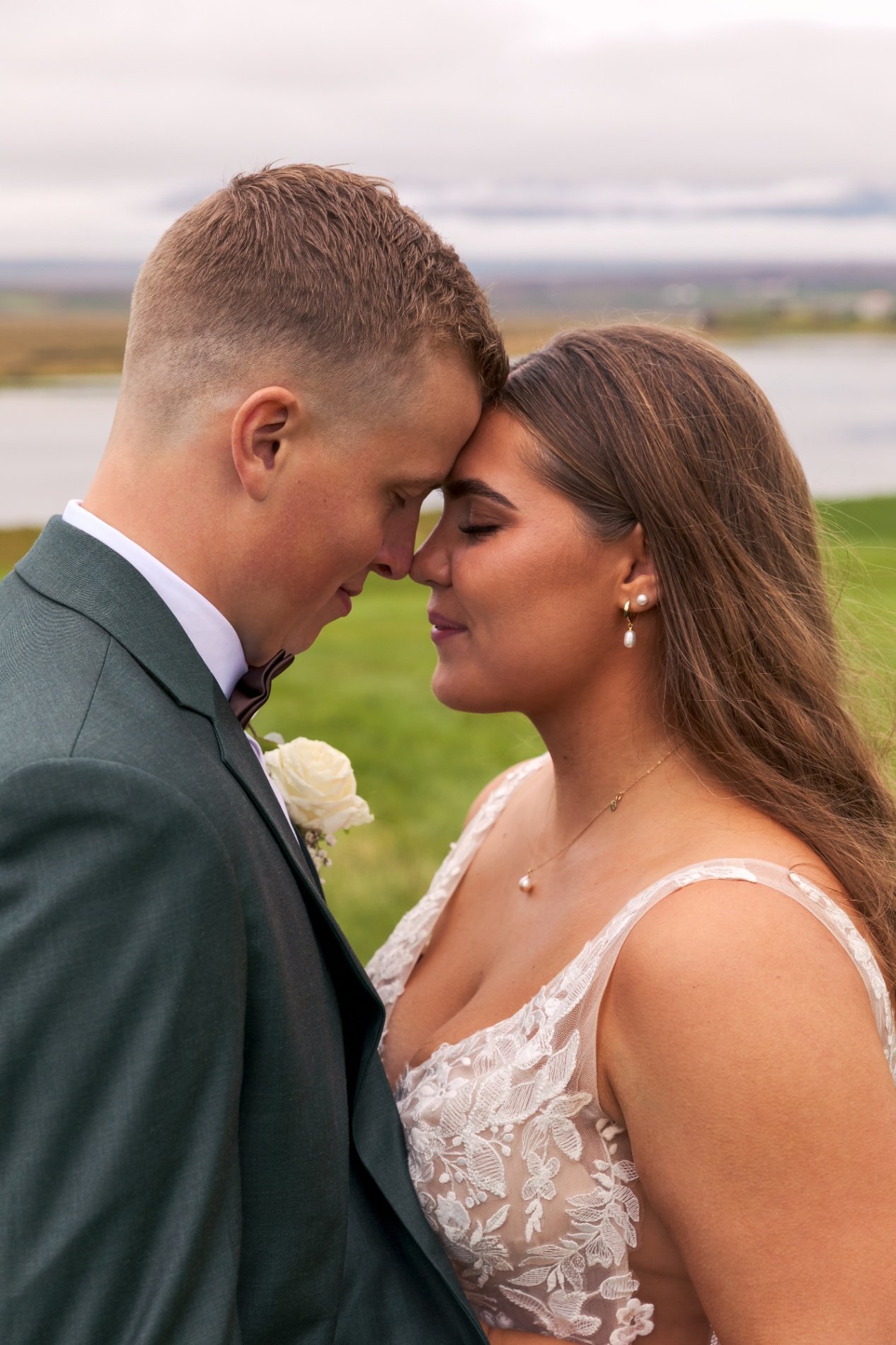
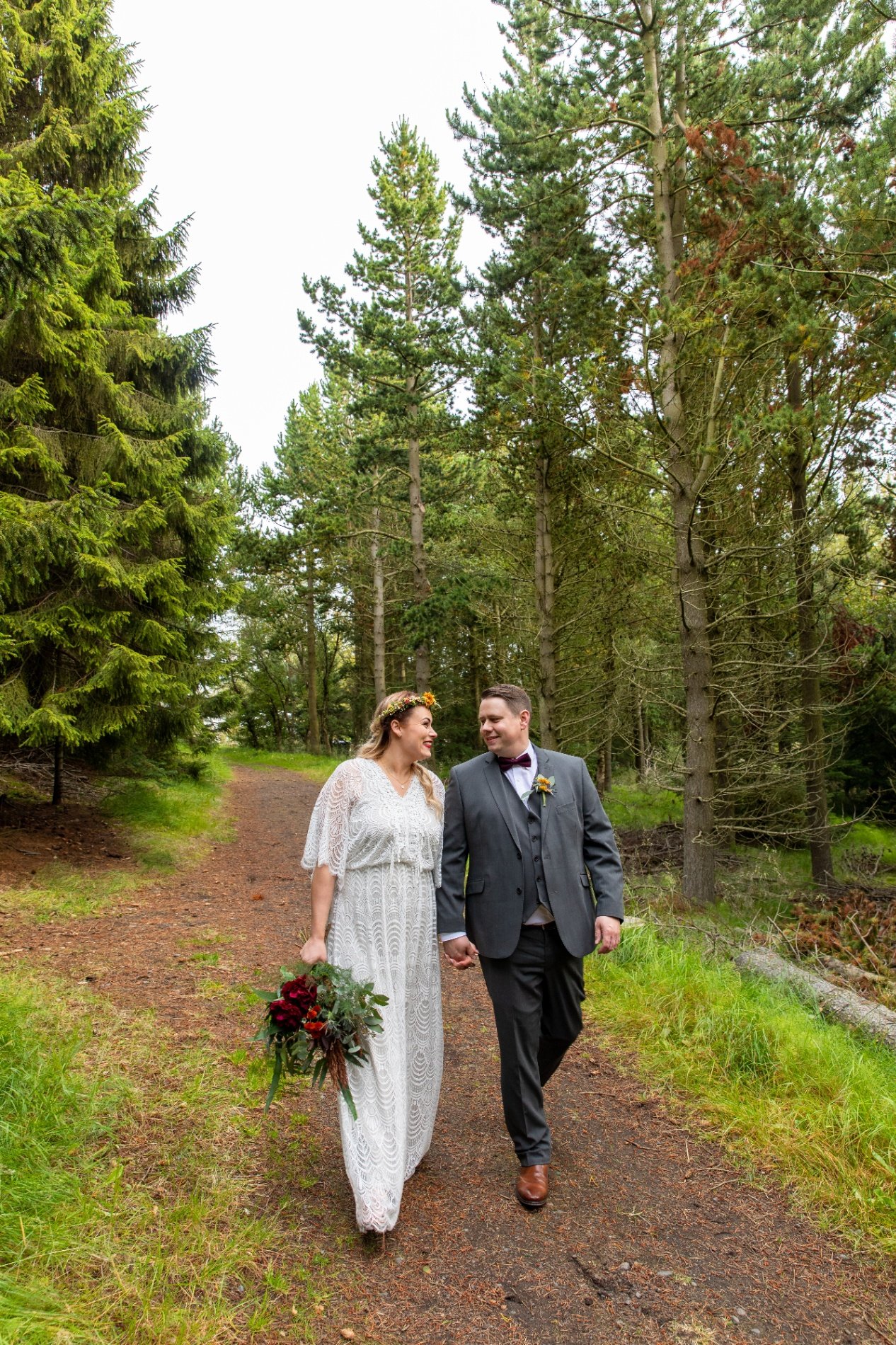
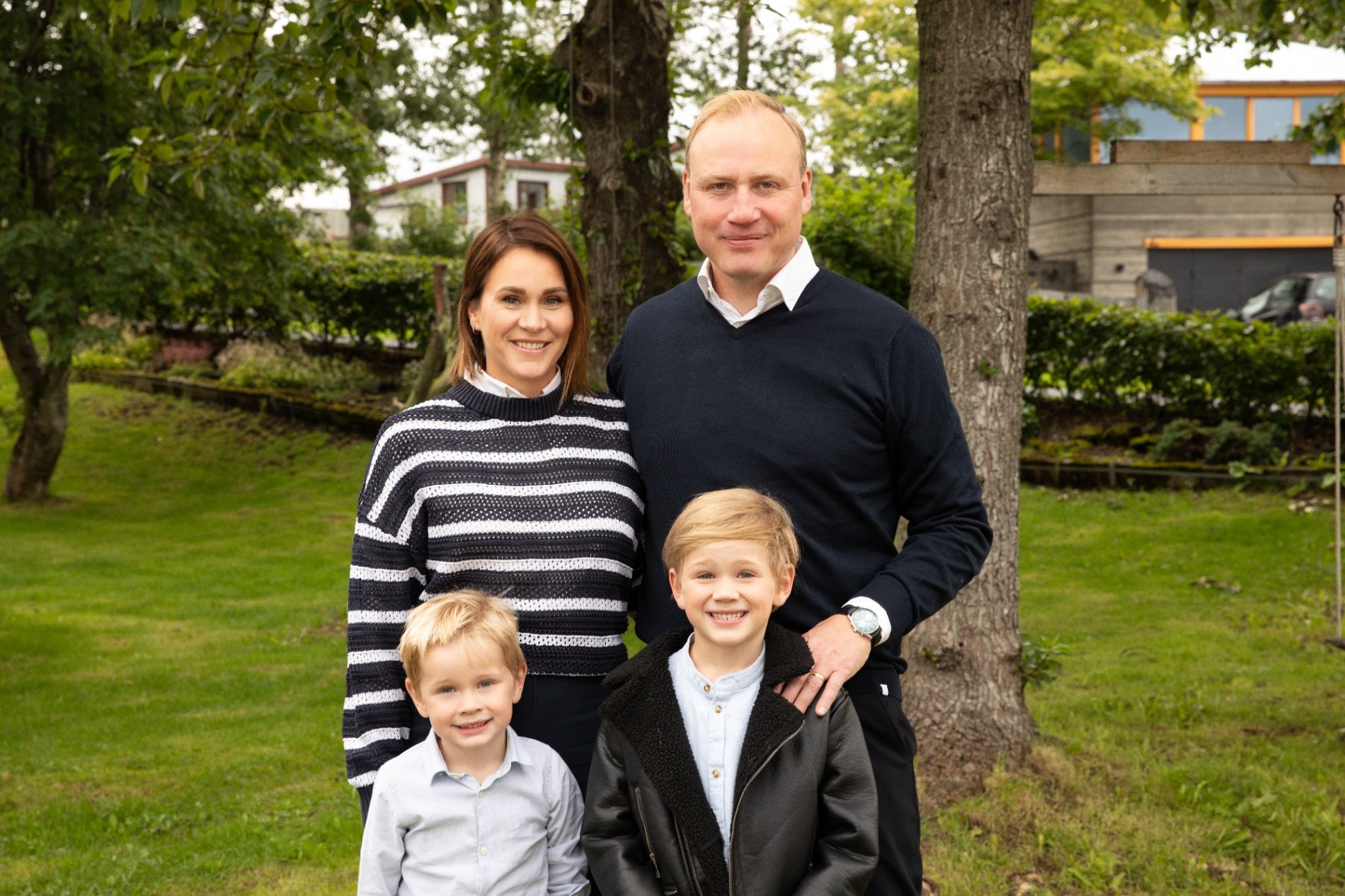
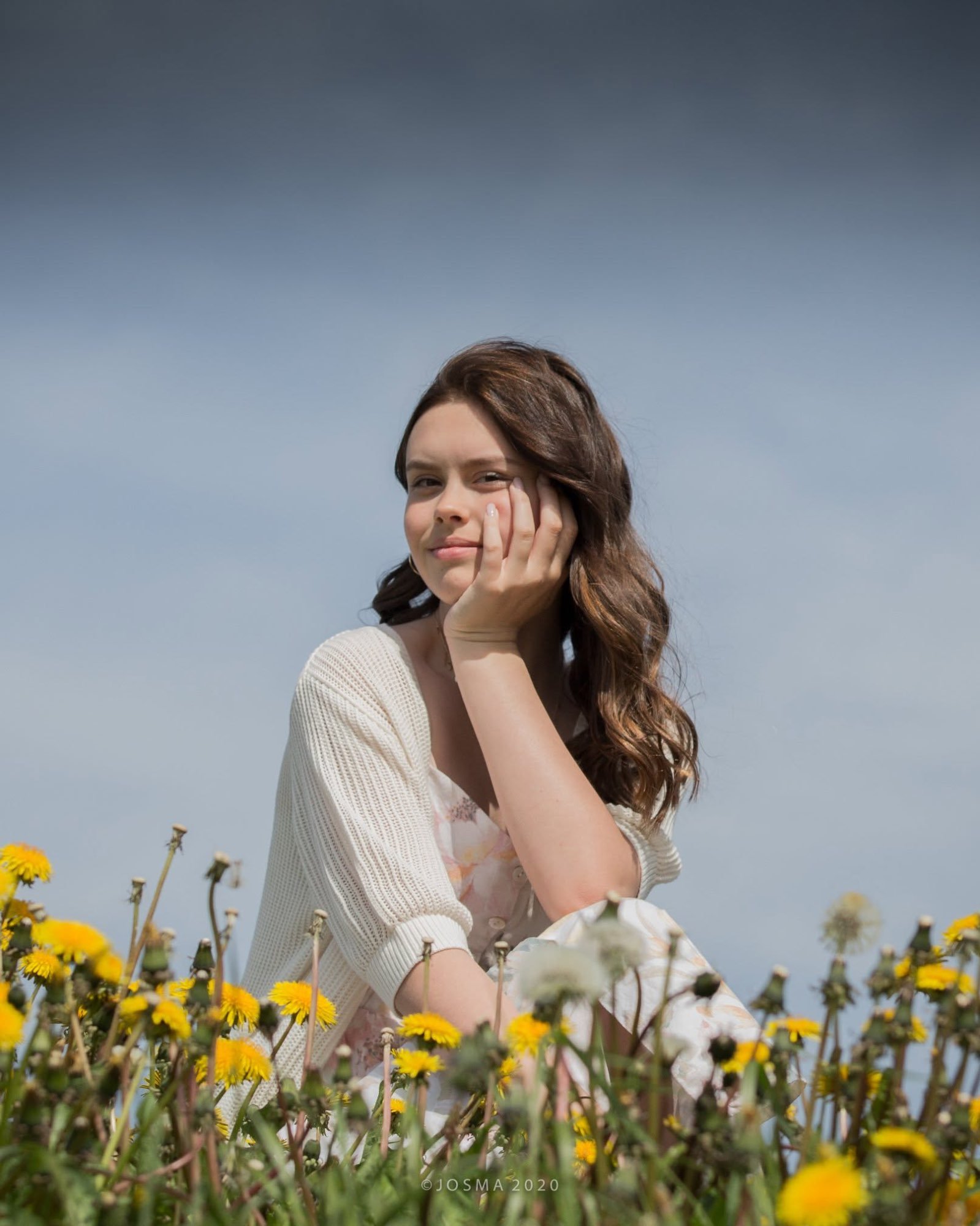
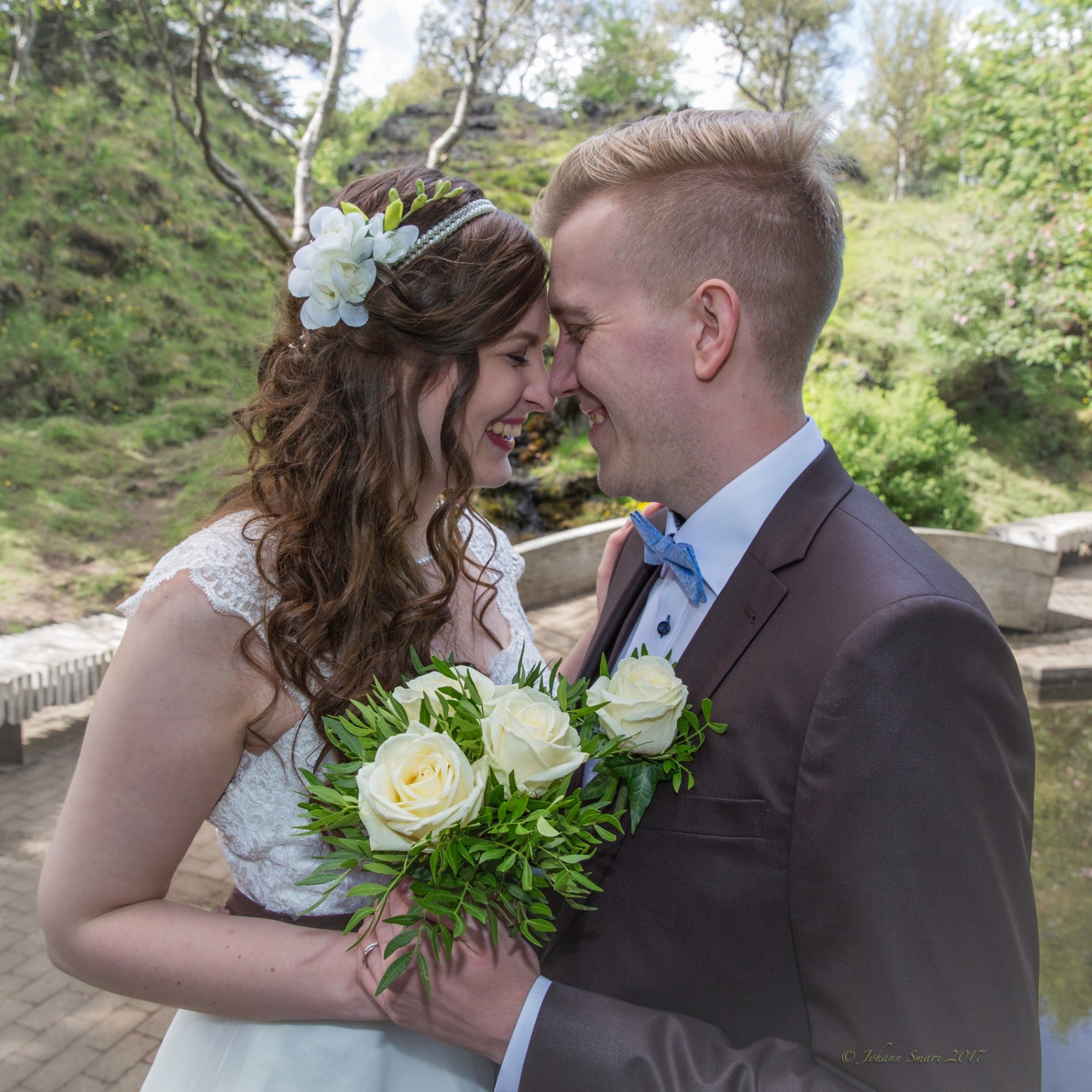
Real shots from Reykjavík
Iceland's light, month by month
Figures are for Reykjavík; the north and east shift by 15–30 minutes. Iceland stays on GMT all year — no summer time — which is why summer sunsets land near midnight rather than 1 a.m.
| Month | Daylight (start → end) | Light | Season notes | Crowds |
|---|---|---|---|---|
| January | 4.5 → 7 h | Sun skims the horizon; blue hour from ~15:30 | Aurora, ice caves, snow likely | Very low |
| February | 7 → 10 h | Low golden light for hours, sunset ~18:00 by month end | Best aurora statistics, ice caves | Low |
| March | 10 → 13.5 h | Still-low sun, sunset 19:00–20:00 | Aurora strong until early April | Low–medium |
| April | 13.5 → 16.5 h | Long evenings, sun climbing | Brown-grey landscape, first puffins | Low |
| May | 16.5 → 20 h | Golden hour ~21:00–23:00 | Puffins, greening hills, no true darkness from mid-month | Medium |
| June | 20 → 21 h | Midnight sun: golden light ~22:00–02:00 | Lupines from mid-June, highlands opening | High |
| July | 21 → 18 h | No real night until late month | Puffins, highlands fully open | Peak |
| August | 18 → 14.5 h | Real sunsets return, ~21:00 by month end | Puffins leave mid-month, first aurora late month | Peak → high |
| September | 14.5 → 11.5 h | Sunset 19:00–20:00, long golden hour | Autumn colour from mid-month, aurora, highlands close | Medium |
| October | 11.5 → 8.5 h | Low sun all day, sunset ~17:30 by month end | Aurora, first snow, first storms | Low |
| November | 8 → 5 h | Golden hour merges into blue hour by ~15:45 | Aurora, ice caves open | Very low |
| December | 5 → 4 h | Sunrise ~11:20, sunset ~15:30 | Aurora, snow, holiday lights in Reykjavík | Low; bump 23 Dec–3 Jan |
One surprise: the midsummer noon sun still reaches about 49°, so midday light is genuinely harsh — while in late December it never passes 3°, and a "midday" session is shot entirely in golden light.
Summer: the golden hour that lasts all night
From mid-May to late July it never gets dark. Around the solstice the sun sets just after midnight and rises before 03:00; in between it slides along the horizon in colours that last for hours. A couples session starting at 22:00 gets three to four hours of low, warm light and empty locations — Seljalandsfoss at 23:30 in June has nobody behind you.
What summer adds:
- Puffins from late April to mid-August, best May–July. Dyrhólaey near Vík is the easiest colony from the South Coast, but parts of it close for nesting from May to late June — check before planning around it.
- Lupines from mid-June to early July: purple fields along the South Coast, on Snæfellsnes and around Reykjavík (invasive, as Icelanders will tell you, but they photograph beautifully).
- Highlands: F-roads open from mid/late June to early September, the only window for Landmannalaugar or Þórsmörk.
The cost is crowds and the clock. July is the busiest month, the Golden Circle and South Coast waterfalls are full from 10:00 to 20:00, and a midnight session costs energy the next day.
Winter: blue hour all afternoon
From November to January you get four to seven hours of daylight, and all of it is good. In December the sun rises at 11:20, crawls along the horizon and sets at 15:30, and the blue hour that follows can last until 17:00. Snow on black sand, ice on the waterfalls, and the northern lights possible from 18:00 instead of 01:00.
The honest part:
- Weather decides. Storms close roads for a day or two at a time, and wind is the real problem, not cold. Every winter booking needs a flexible window — photographers here move a session by a day without drama.
- Sessions are short. Forty-five minutes outside at −3 °C with wind is a lot; plan two short locations rather than one long one, and read what to wear before you pack.
The shoulder seasons: where the sweet spots are
February–March. Eight to thirteen hours of daylight, a sun still low enough that afternoon light is warm, sunset at a civilised 18:00–20:00, snow still likely, ice caves open and aurora statistics at their best around the March equinox. Roads are mostly fine, prices and crowds are low. Winter Iceland without the four-hour days.
Late August–early October. Real sunsets are back (21:00 in late August, 19:00 by early October), the golden hour is long, and the sky is dark enough for aurora from the last week of August. Autumn colour arrives in the second half of September and lasts two to three weeks: birch and blueberry scrub turn gold and red at Þingvellir and in the birch woods of Skaftafell. The highlands stay open until early-to-mid September, and crowds thin noticeably after 20 August.
April and October–November are the compromise months: cheap and quiet, but April is brown before the grass returns and October–November bring the first real storms.
What clients say about this kind of shoot
I am a part of a choir in Iceland, and we played a part in a JCS (Jesus Christ Superstar) production at Harpa in Reykjavík, Iceland. I asked my friend Johann Smári to attend the dress rehearsal and feel free to take some photos. The outcome was amongst these 4 photos here on the site and many more outstanding shots, which we use on posters and ads for our choir. And on top of it, Jóhann Smári is a good man and nice to have around.
— Gísli F. on Johann K.
I have done a few photoshoots with Smári and always have had a great experience. He is a great photographer and has such a good eye for great locations for the kind of photoshoot I had in mind. I am always surprised at how good the photos come out. If you are looking for someone with great experience on the best places to take photos, have worked in many events and all around great at bringing art to life, through lenses, then Smári is your guy.
— Marly G. on Johann K.
We absolutely love the photos Johann Smári took of us! He is professional, friendly, and made us feel so comfortable. We're so happy with the beautiful memories he captured. Highly recommend him!
— Kara & Gummi on Johann K.
This was such a wonderful experience to book on our last day in Iceland. Lisa was not only incredibly professional and talented as a photographer, but just so friendly and knowledgeable about Iceland's geography, lore and local intel, sharing so many anecdotes that it also felt like a private tour with a friend. It had a great personal touch — it felt like we experienced quieter spots of Iceland, away from the tourists. I lost track of how many times I smiled and laughed, and it was a perfect way to end the trip. If I ever come back to Iceland I will be booking Lisa again. Thank you, Lisa, for making our last day in Iceland truly magical ☆
— Adam on Lisa N.
Annsy really is the full package — high professionalism and absolutely delightful to work with. I definitely won't be looking elsewhere for my future projects.
— Sahar Z. on Annsy
Lisa was an absolutely amazing host! I loved how she was able to tailor the experience to me and let me explore little-known areas around the Golden Circle. She was funny, kind, super informative and an overall great person; she felt like a friend from the moment we met. I'm super excited to see the photos!
— KaRissi on Lisa N.
Aurora calendar
Dark skies return in the last week of August and stay until mid-April. The best statistical months are September–October and February–March: the equinoxes bring more geomagnetic activity and better weather than December–January, when cloud cover is at its worst. Any night from October to March can deliver; a three- or four-night stay is what makes it likely.
Roads, highlands and access
- Ring Road (Route 1): open year-round, with winter storm closures — usually hours, not days.
- F-roads (highlands): roughly mid-June to early September, opened road by road.
- Snæfellsnes, the Westfjords and the East: fine in summer; in winter, check the morning of.
- Check road.is, vedur.is and safetravel.is the evening before every session — your photographer will too.
What each season does for your session
- Couples and honeymoons: midnight sun for empty waterfalls and warm light; February–March for snow, aurora and low sun without the exhaustion.
- Families with kids: late August–September (sunset before bedtime, mild, fewer midges), or March for snow and short, bright days.
- Elopements and weddings: September for colour, light and dark skies in one day; June for a midnight ceremony; winter only with a weather buffer of at least two days.
- Proposals: any month works for the moment itself — pick the season for the backdrop and the hour for the light.
The honest answer
If we had to book one session with no other constraints: late August to early October, then February to March. Both give long golden hours at reasonable times, real darkness for the aurora, open roads, low crowds and a landscape in colour or in snow. June is the romantic third choice for the midnight sun; July is the one month we would trade for any other.
Whichever you pick, find a photographer who lives here and shoots that season every year — they know which beach faces the light at 23:00 in June and which road closes first in November.
Frequently asked questions
Which month is best for a photoshoot in Iceland?
If you can choose freely, late August to early October and then February to March. Both give long golden hours at reasonable times, real darkness for a possible aurora, open roads and low crowds, with autumn colour or snow as the backdrop. June is the romantic third option for the midnight sun. July is the busiest month, with full car parks at every waterfall from mid-morning to evening.
How much daylight is there in Iceland in December for photos?
Around four to five hours in Reykjavík: the sun rises after 11:00 and sets around 15:30, and it never climbs high, so the whole day is effectively one long golden hour followed by a slow blue hour. Plan a single session around midday, keep it short because of wind and cold, and leave a spare day, because storms can close roads. The northern lights become possible from early evening if the sky is clear.
Can you do a photoshoot at midnight in summer in Iceland?
Yes, and it is often the best time. From mid-May to late July it never gets properly dark; around the solstice the sun sets just after midnight and the light stays low and warm for hours. A couples session starting at 22:00 gets empty waterfalls and beaches that are crowded at noon. Local photographers book these hours routinely; on Photo Iceland you pick your photographer and their package yourself from the list, for any date.
Want professional photos in Reykjavík?
Browse portfolios, compare packages, and book a verified local photographer in minutes.