Best photo spots in Reykjavík: a local's guide
Reykjavík is small enough to photograph on foot in a morning, and it packs in more than a city of 140,000 should: a rainbow street, a glass concert hall, houses painted like sweets and a lighthouse at the end of the road. What most lists leave out is the thing that decides your photos here: the hour. At 64°N the sun barely sets in June and barely rises in December, and the wind has opinions. Nine spots, the best light for each, and an honest word on when to leave the city behind.
3 photo spots in Reykjavík — click a pin to open the full guide
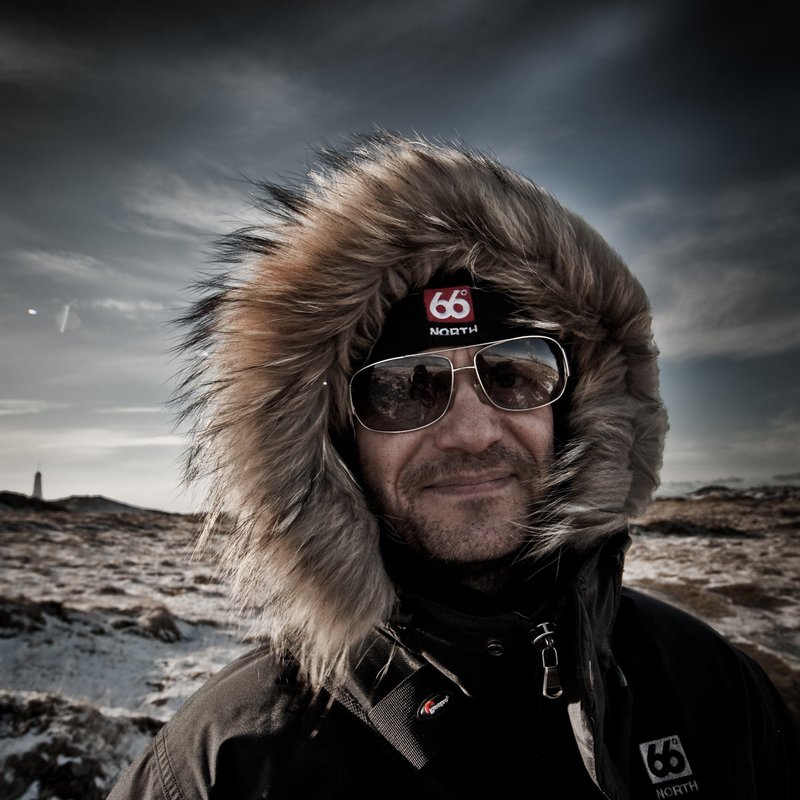
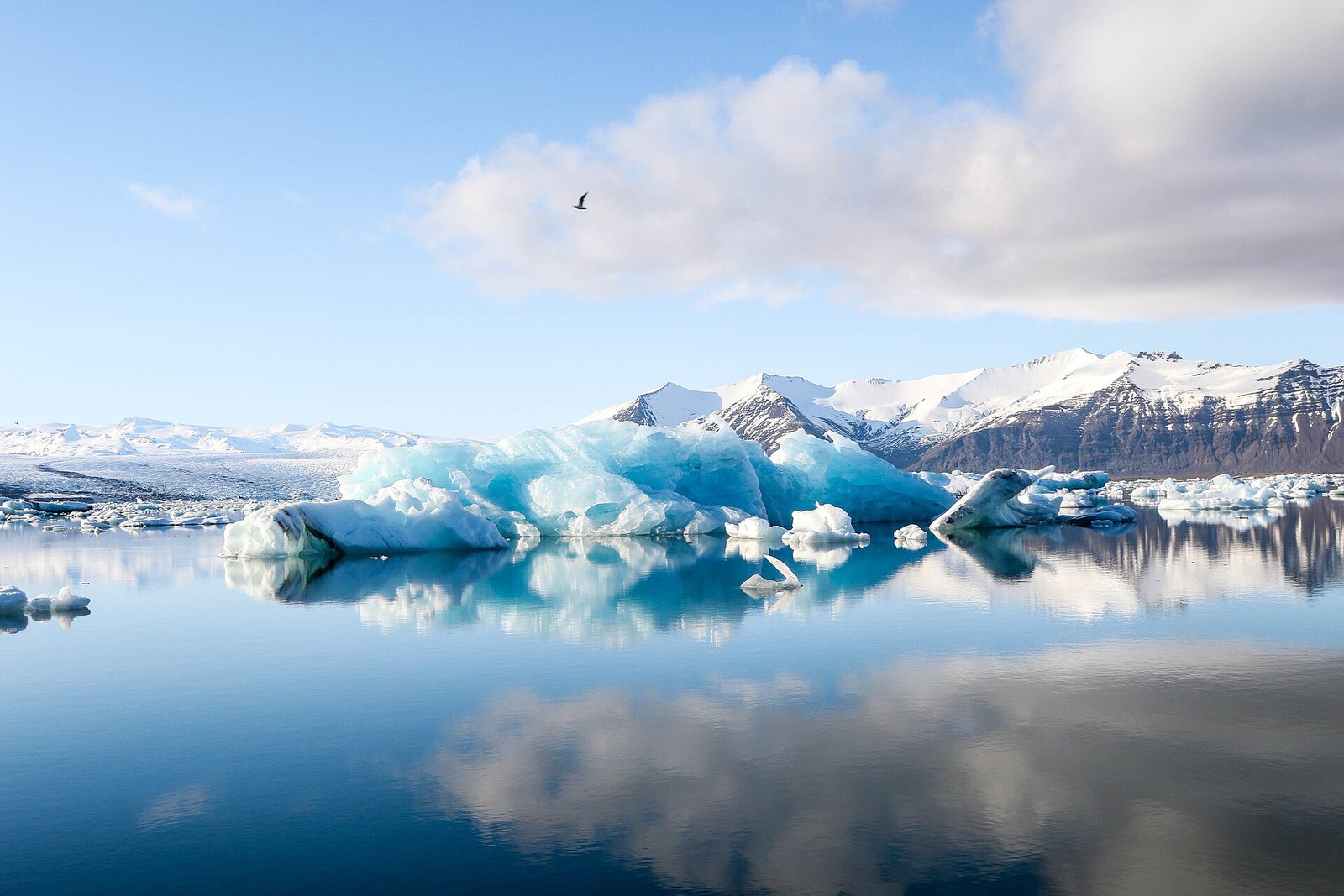
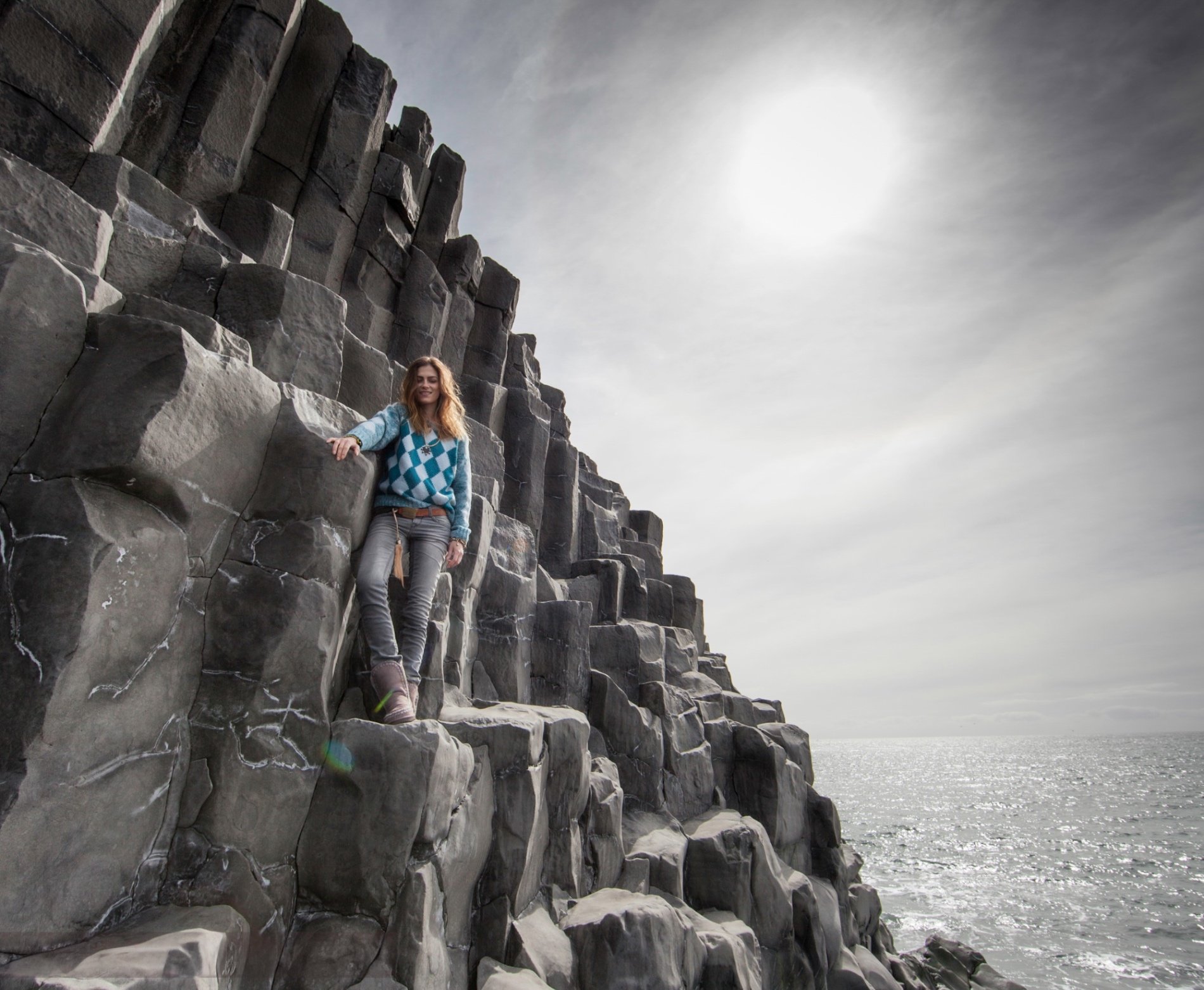
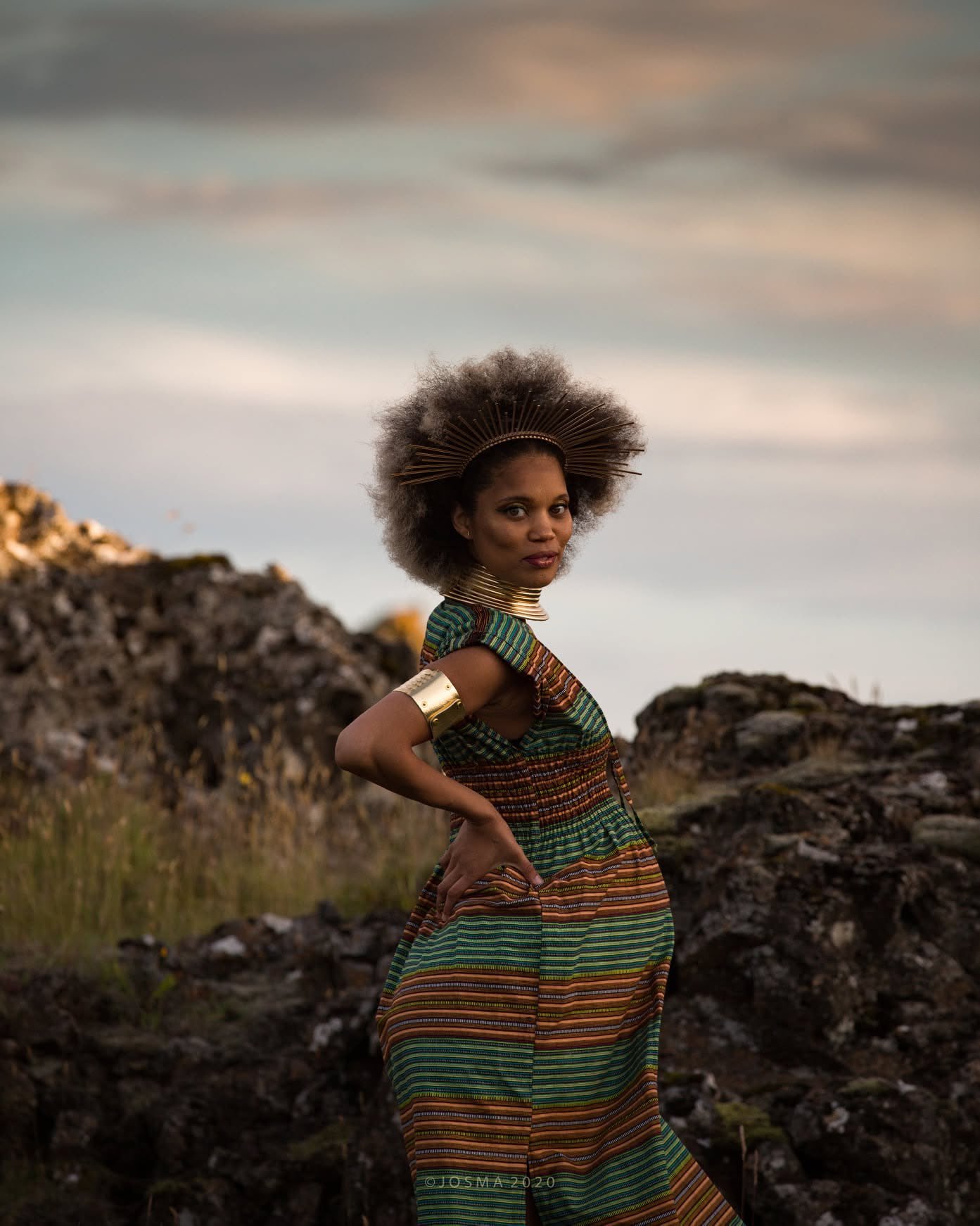
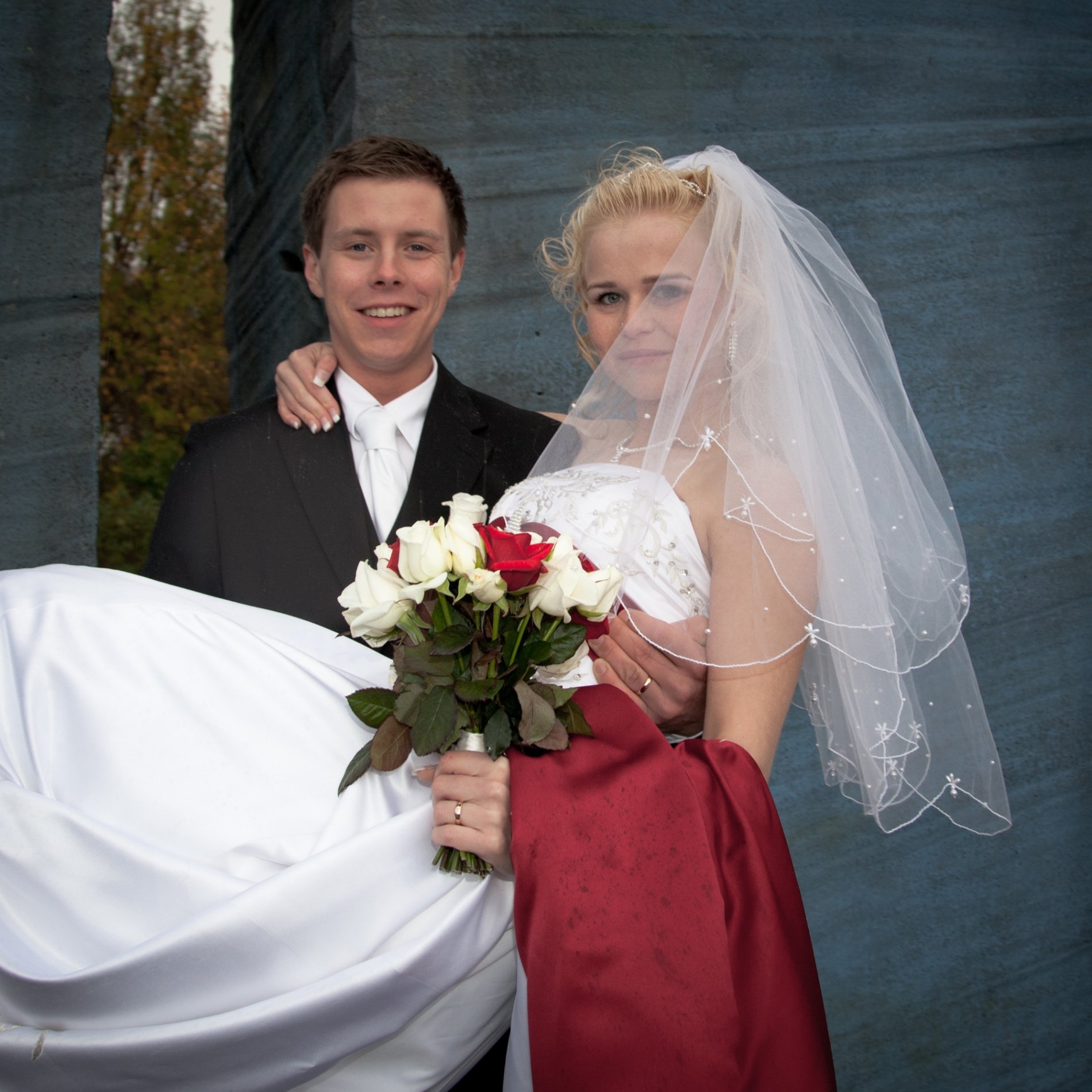
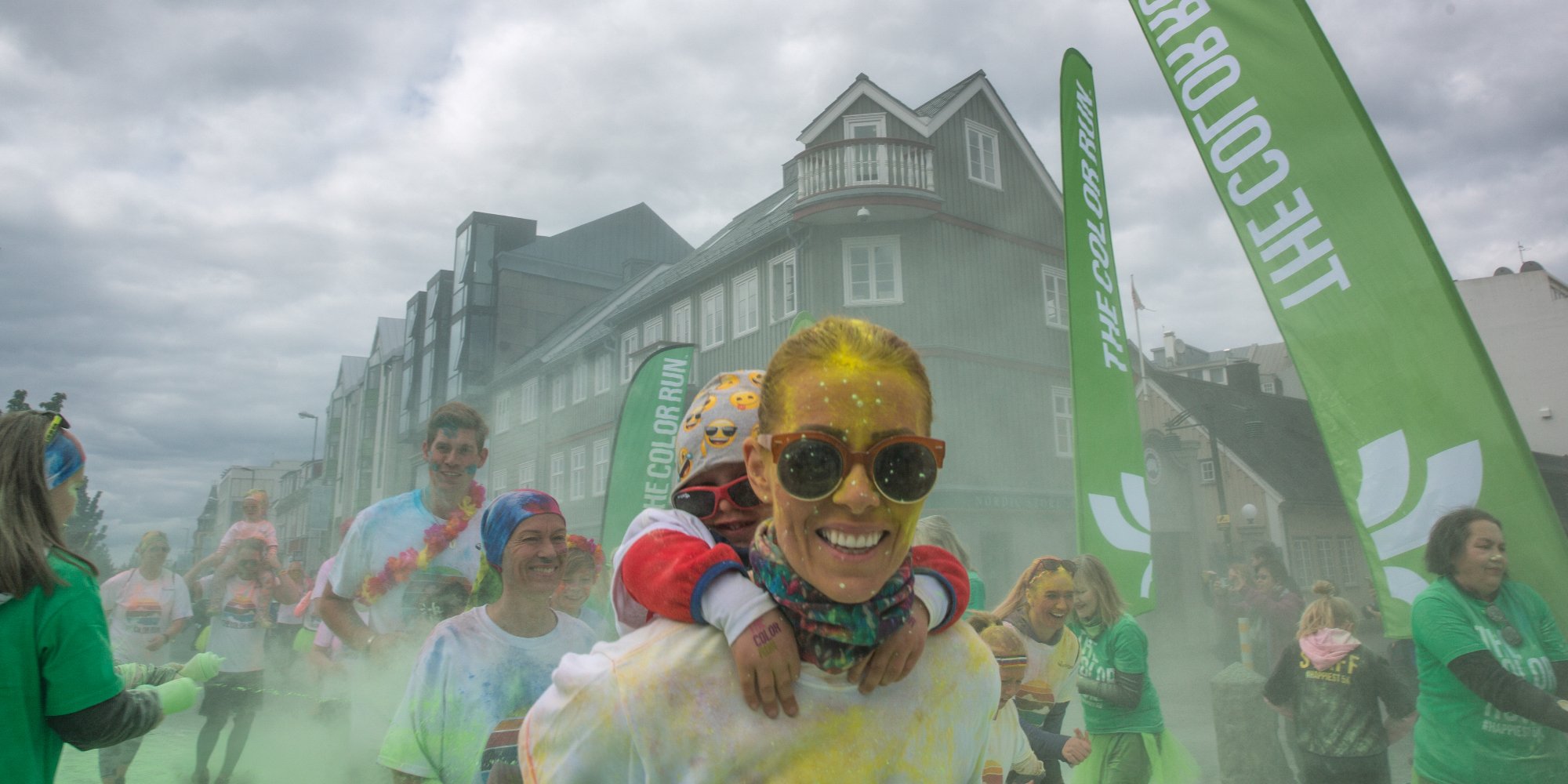
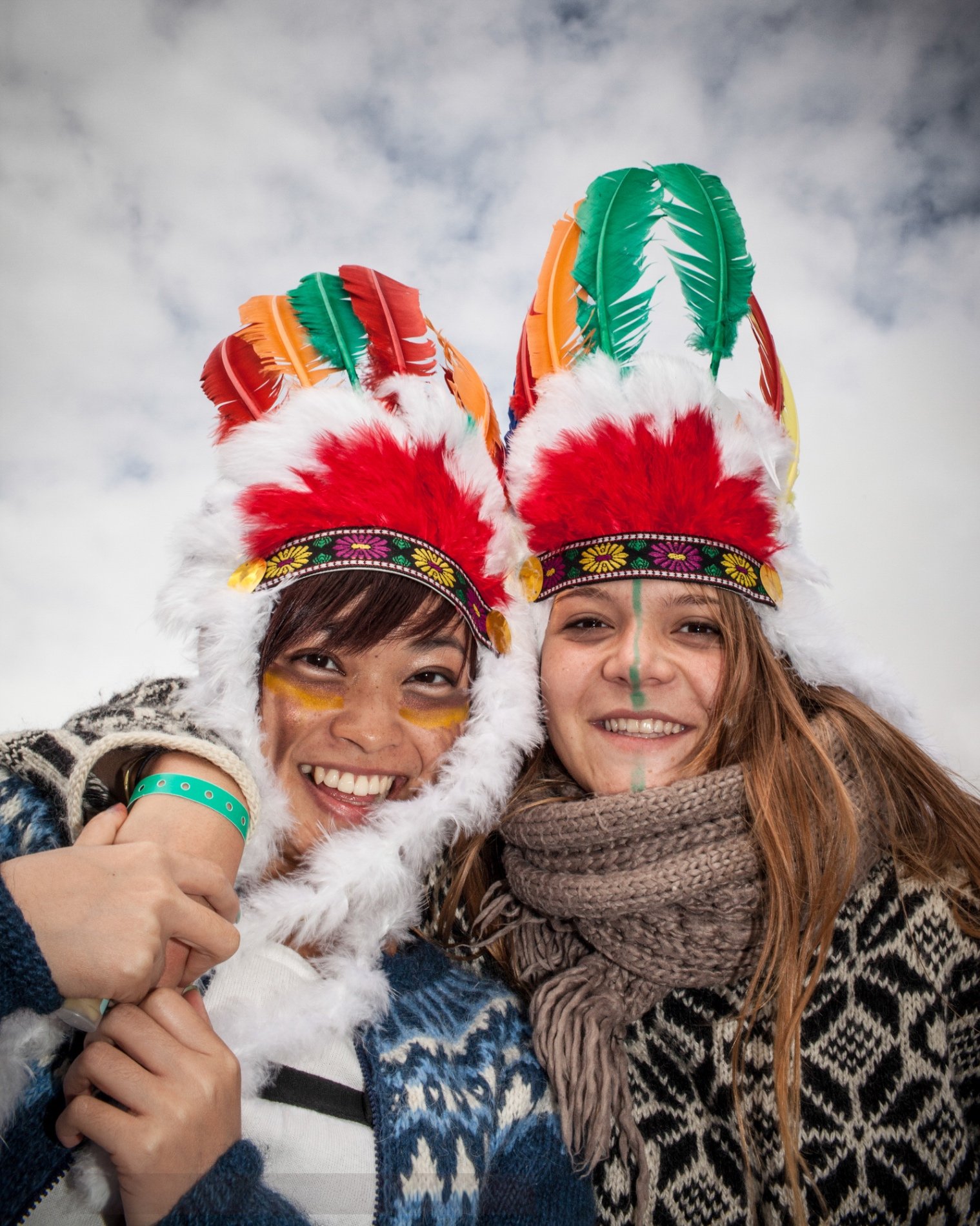
Real shots from Reykjavík
First, the light
| Time of year | Sunrise / sunset | Best light | Notes |
|---|---|---|---|
| Late June | 03:00 / 00:00 | 21:00 – 02:00 | Midnight sun (late May – July): low, warm light for hours, empty streets |
| Mid-September | 06:45 / 19:45 | 18:30 – 19:45 | First northern lights; autumn colour on Öskjuhlíð |
| Late December | 11:20 / 15:30 | All day | Four hours of low light; blue hour and city lights from 15:30 |
| Mid-March | 07:45 / 19:30 | 18:00 – 19:30 | Snow likely; northern lights until mid-April |
Reykjavík is one of the windiest capitals in Europe, and a 12 m/s breeze off the bay ruins hair, dresses and patience faster than any cloud. The weather also turns by the quarter-hour, so plan two exposed spots plus two sheltered ones.
The nine spots
1. Hallgrímskirkja and Skólavörðustígur
The concrete church is the city's landmark, and the painted rainbow on Skólavörðustígur runs straight up to its door. Best hour: 07:00 – 08:30, when the rainbow street is empty; the west-facing facade takes warm evening sun in summer from about 20:00, and in winter the low southern sun around 13:00 gives it fine side light. Crowds: tour buses from 09:30 until dark. Wind: the plaza is exposed, the street calmer. Shoot from the lower end of the street looking up so the church anchors the frame.
2. Harpa
Ólafur Elíasson's honeycomb of glass on the waterfront is free to enter and works in any weather. Best hour: blue hour, when the interior lights come on and the panels turn amber and violet: around 16:00 in December, after midnight in June. Crowds: cruise-ship days in summer fill the lobby from mid-morning. Wind: none inside, and the terrace looks straight at Mount Esja.
3. Sun Voyager (Sólfar)
The steel dream-boat on Sæbraut, with Esja across the bay. Best hour: summer sunset — in June the sun goes down in the northwest, almost directly behind the sculpture, close to midnight. In winter come for sunrise instead (10:00 – 11:30): the light is behind you and turns Esja pink. Crowds: non-stop from 09:00 to 22:00; before 08:00 or after 22:30 you have it alone. Wind: straight off the water, the most exposed spot in the centre.
4. Old Harbour and Grandi
Fishing boats, whale-watching piers and, behind them, Grandi's painted fish factories, the Marshall House and murals. Best hour: 08:00 – 10:00, boats moving and light still soft; overcast works because the colour comes from the hulls and the walls. Crowds: whale-watching queues at 09:00 and 13:00. Wind: moderate, the warehouses give cover.
5. Tjörnin
The city pond: Fríkirkjan church, City Hall standing in the water, a row of old houses along the far bank. Best hour: a calm morning for reflections, or summer evening light on the church side. In winter the pond freezes and people skate on it, with one corner kept ice-free for the swans and ducks. Crowds: light, mostly locals with bread. Wind: moderate. Ideal for families: birds, benches, no traffic.
6. The Þingholt streets
Bergstaðastræti, Grettisgata, Njálsgata, Týsgata: corrugated-iron houses in mustard, teal, red and pale blue, lace curtains and cats. Best hour: overcast, any time — soft light saturates the paint — or the low winter sun of 12:00 – 14:00 raking down the streets. Crowds: almost none; the quiet alternative to the rainbow street. Wind: the most sheltered option in the centre. Private homes: be quick, keep doorsteps clear.
7. Perlan viewpoint
The glass dome on Öskjuhlíð hill has a 360° deck with the whole city, the bay, Esja and, on clear days, Snæfellsjökull 120 km away. Best hour: golden hour and sunset in any season; in winter that means early afternoon. Crowds: manageable, the deck is wide. Wind: high and exposed — two minutes for the panorama, then back inside.
8. Öskjuhlíð woods (the wildcard)
Below Perlan, a real forest of birch and pine, with paths, old wartime bunkers and a surprising number of rabbits. Best hour: any; the trees make their own soft light, and late September brings autumn colour. Crowds: dog walkers. Wind: nearly none — when the forecast says 15 m/s, this is where the couples session happens.
9. Grótta lighthouse
At the western tip of Seltjarnarnes, five kilometres from the centre: a white lighthouse on a tidal island, black sand, open sea and Snæfellsnes on the horizon. Best hour: summer sunset over the water, and from September to April the northern lights — it is the darkest place in the capital area. Check the tide table (the causeway floods at high tide); the island is closed 1 May – 15 July for nesting terns, the beach is not. Wind: fully exposed, the first spot to cancel in a storm.
Winter vs summer in the city
Summer (late May – July): golden light from 21:00 until well past midnight, empty streets, day-trippers gone. Forget "sunrise" — it happens at 03:00.
Winter (November – February): four to seven hours of daylight, all of it golden or blue, city lights from mid-afternoon. Snow comes and goes: a bonus, not a promise. A northern-lights session means Grótta or a short drive out of town; the northern lights photoshoot guide explains how to plan one. Pavements ice over (bring spikes), and a 20 m/s storm cancels everything outdoors.
Shoulder seasons (September – October, March – April): the sweet spot — normal hours, northern lights possible, fewer people, low light most of the day.
What clients say about this kind of shoot
I am a part of a choir in Iceland, and we played a part in a JCS (Jesus Christ Superstar) production at Harpa in Reykjavík, Iceland. I asked my friend Johann Smári to attend the dress rehearsal and feel free to take some photos. The outcome was amongst these 4 photos here on the site and many more outstanding shots, which we use on posters and ads for our choir. And on top of it, Jóhann Smári is a good man and nice to have around.
— Gísli F. on Johann K.
I have done a few photoshoots with Smári and always have had a great experience. He is a great photographer and has such a good eye for great locations for the kind of photoshoot I had in mind. I am always surprised at how good the photos come out. If you are looking for someone with great experience on the best places to take photos, have worked in many events and all around great at bringing art to life, through lenses, then Smári is your guy.
— Marly G. on Johann K.
We absolutely love the photos Johann Smári took of us! He is professional, friendly, and made us feel so comfortable. We're so happy with the beautiful memories he captured. Highly recommend him!
— Kara & Gummi on Johann K.
This was such a wonderful experience to book on our last day in Iceland. Lisa was not only incredibly professional and talented as a photographer, but just so friendly and knowledgeable about Iceland's geography, lore and local intel, sharing so many anecdotes that it also felt like a private tour with a friend. It had a great personal touch — it felt like we experienced quieter spots of Iceland, away from the tourists. I lost track of how many times I smiled and laughed, and it was a perfect way to end the trip. If I ever come back to Iceland I will be booking Lisa again. Thank you, Lisa, for making our last day in Iceland truly magical ☆
— Adam on Lisa N.
Annsy really is the full package — high professionalism and absolutely delightful to work with. I definitely won't be looking elsewhere for my future projects.
— Sahar Z. on Annsy
Lisa was an absolutely amazing host! I loved how she was able to tailor the experience to me and let me explore little-known areas around the Golden Circle. She was funny, kind, super informative and an overall great person; she felt like a friend from the moment we met. I'm super excited to see the photos!
— KaRissi on Lisa N.
When to skip the city for the coast
If what you want on the wall is black sand, waterfalls and basalt cliffs, no city street will give you that, and the south coast is only two to two-and-a-half hours away by car; read the south coast photo guide before deciding. Stay in Reykjavík when the trip is under 48 hours, when the forecast shows a storm (the coast is brutal in wind and Reynisfjara's waves are dangerous), when you have small children, or when the colourful urban look is the point. The plan we see most often is both: a one-hour city session on arrival evening and a coast day later.
Practical notes
- Route and wind: ninety minutes on foot covers the centre — church, Þingholt, Tjörnin, harbour, Harpa, Sun Voyager, about three kilometres; Grótta and Perlan need a taxi. Check vedur.is that morning: under 8 m/s is easy, 8 – 13 workable, above 15 move to the sheltered spots.
- Clothes: layers, a coat you like on camera, shoes with grip — see what to wear for a photoshoot in Iceland.
- Cost and booking: each photographer sets the price of each of their packages and the price shown is all-inclusive; the photoshoot cost guide explains what moves it. Browse photographers in Reykjavík or all photographers; they will move the plan around the weather.
Frequently asked questions
What is the best time of day for photos in Reykjavík?
It depends on the month. In June the sun barely sets, so the warmest light runs from around 21:00 past midnight and the streets are empty. In December daylight lasts about four to five hours, roughly 11:00 to 15:30, and all of it is low and golden, with blue hour and city lights from mid-afternoon. In spring and autumn a normal golden hour before sunset works, and the rainbow street is quietest before 08:30.
What happens if it is windy or raining on the day of the shoot?
Reykjavík weather changes by the quarter-hour, so a good plan mixes two exposed spots with two sheltered ones: the Þingholt streets, the Öskjuhlíð woods and the inside of Harpa all work when the bay is blowing at fifteen metres per second. Overcast light actually flatters the painted houses. Agree a backup slot with your photographer when you book; local photographers read the morning forecast and move the route rather than cancel.
How do I book a photographer in Reykjavík and what does it cost?
Photo Iceland is a marketplace of vetted local photographers. You pick your own photographer from the list and book one of their packages directly, for any date; each photographer sets the price of each package, and every price shown is all-inclusive, with nothing added at checkout. A city session usually lasts one to two hours and covers the centre on foot. Edited photos arrive in an online gallery, typically within about a week. Note that Harpa and some other venues have their own rules for professional photography, so check before planning a set piece there.
Want professional photos in Reykjavík?
Browse portfolios, compare packages, and book a verified local photographer in minutes.