A photoshoot in Iceland in October: light, first auroras and the roads that close
October is the month Iceland hands you three things at once: enough daylight to shoot properly, dark enough nights for the aurora, and a country with the summer crowds gone home. It is also the month the highlands close and the first snow reaches the passes, so the trade is real — you get the best light-to-crowds ratio of the year in exchange for a shorter, less predictable day. Here is how to plan a photoshoot around it.
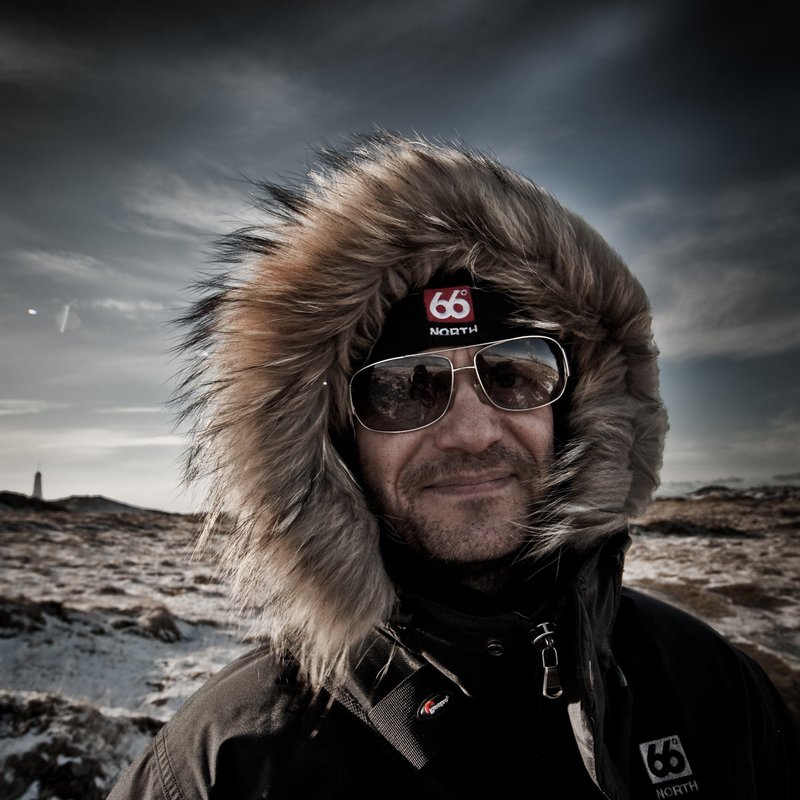
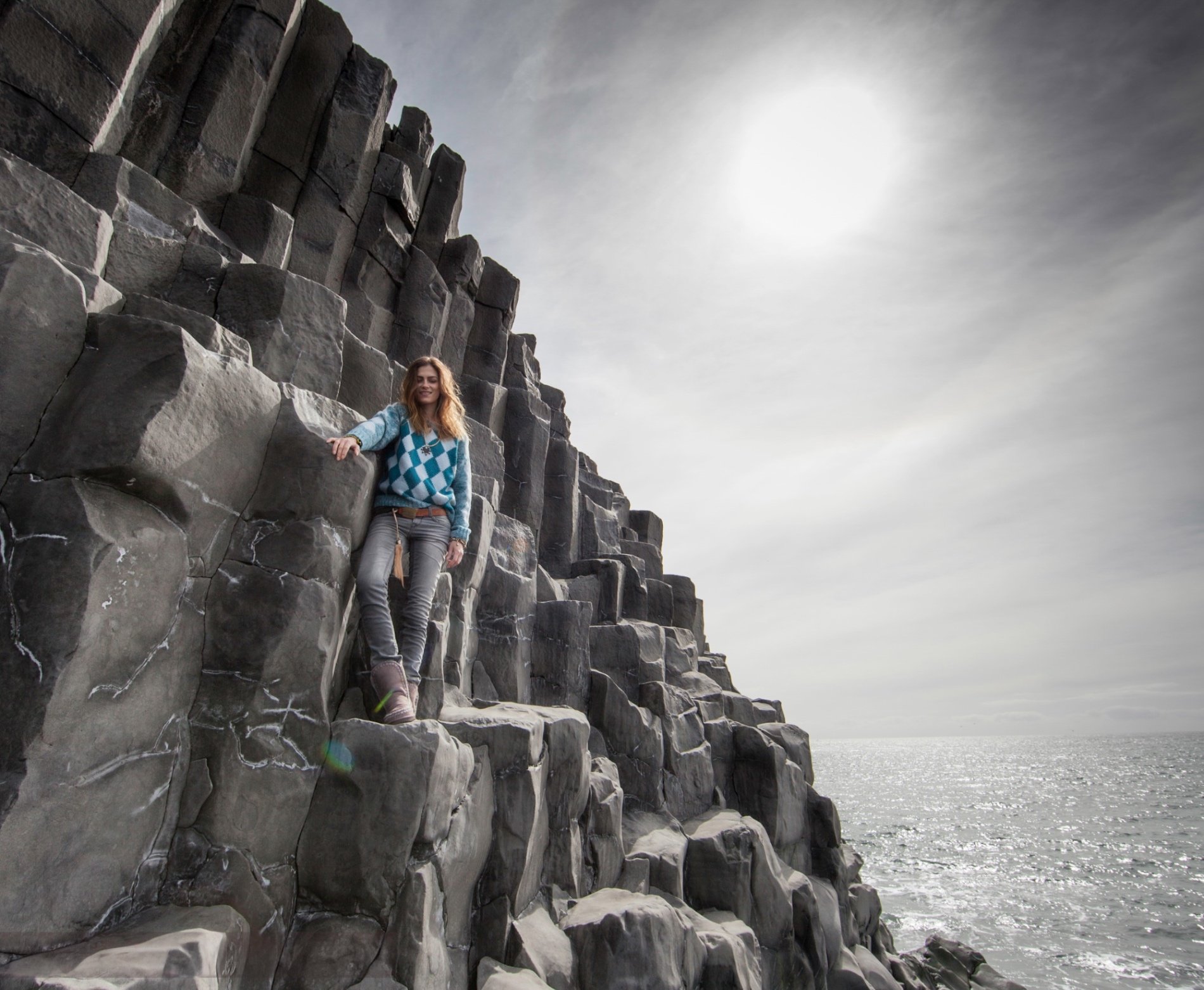
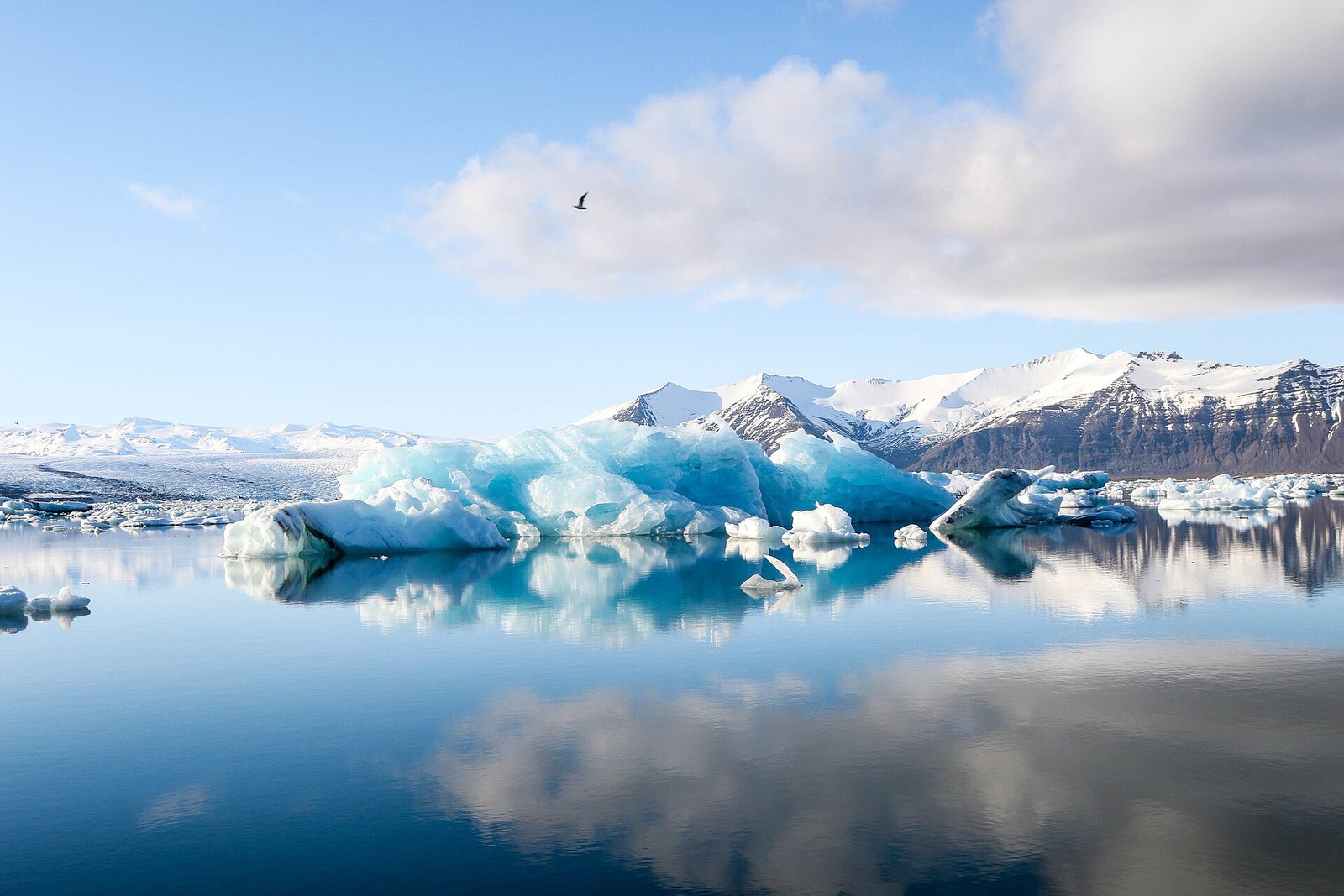
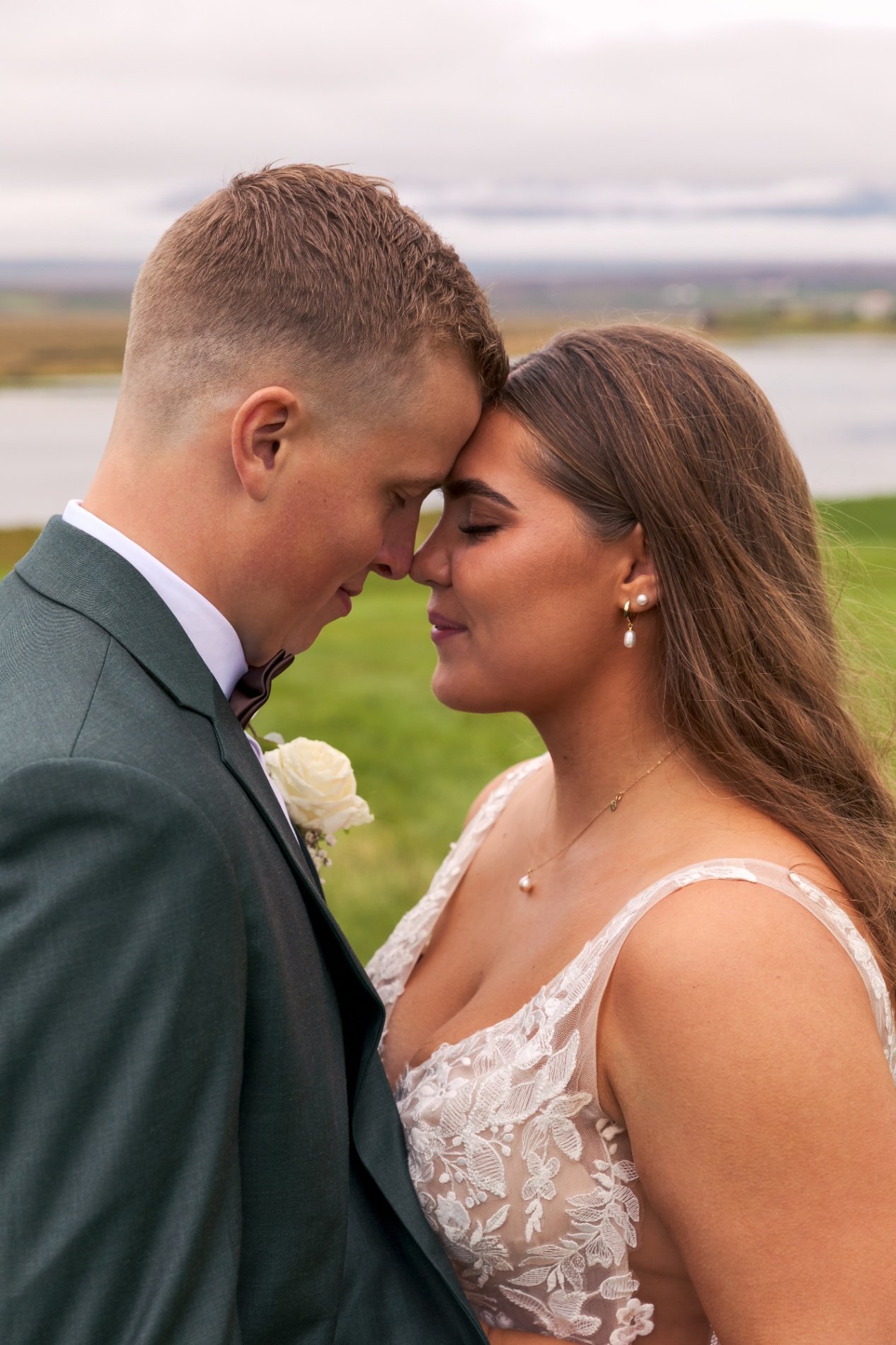
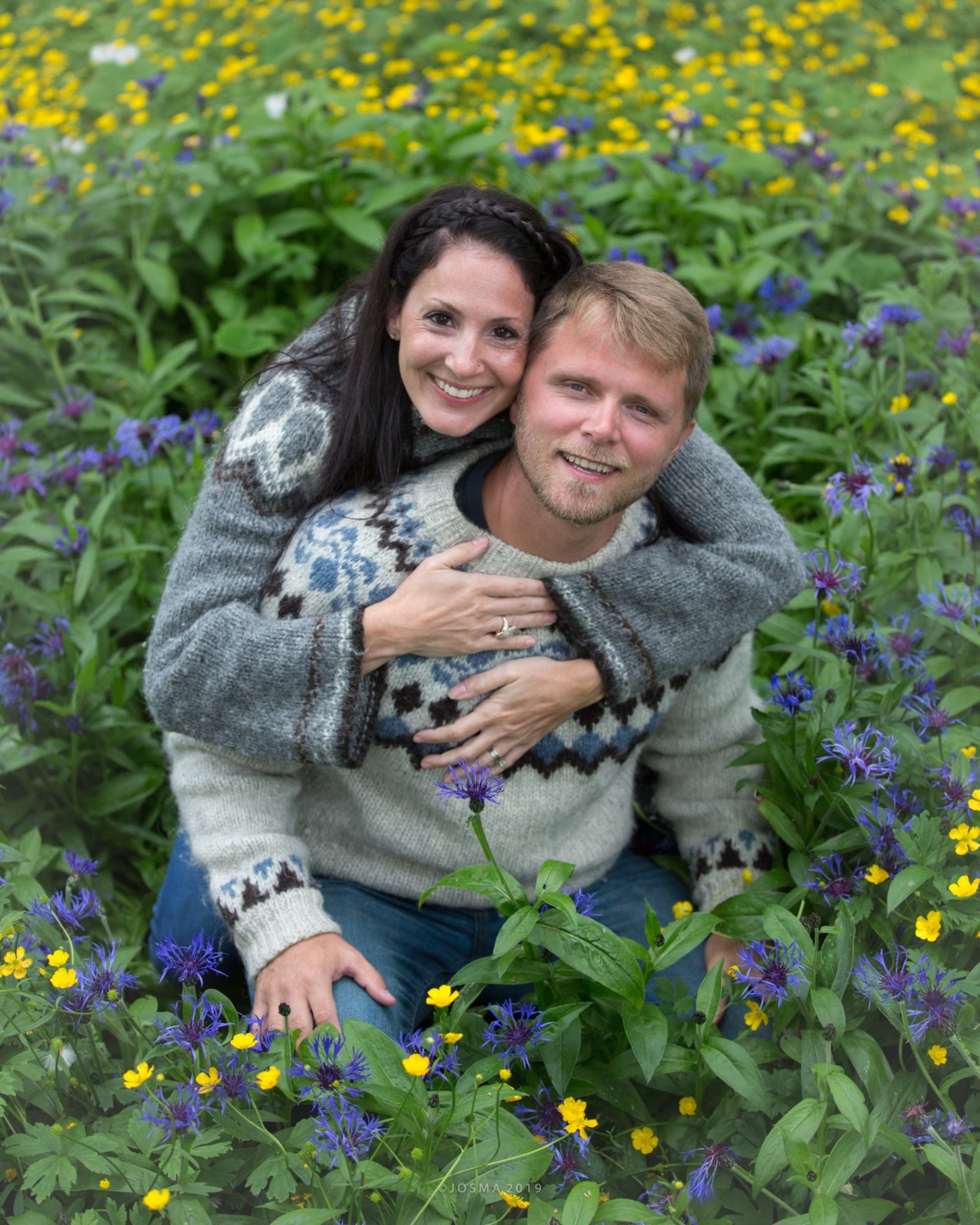
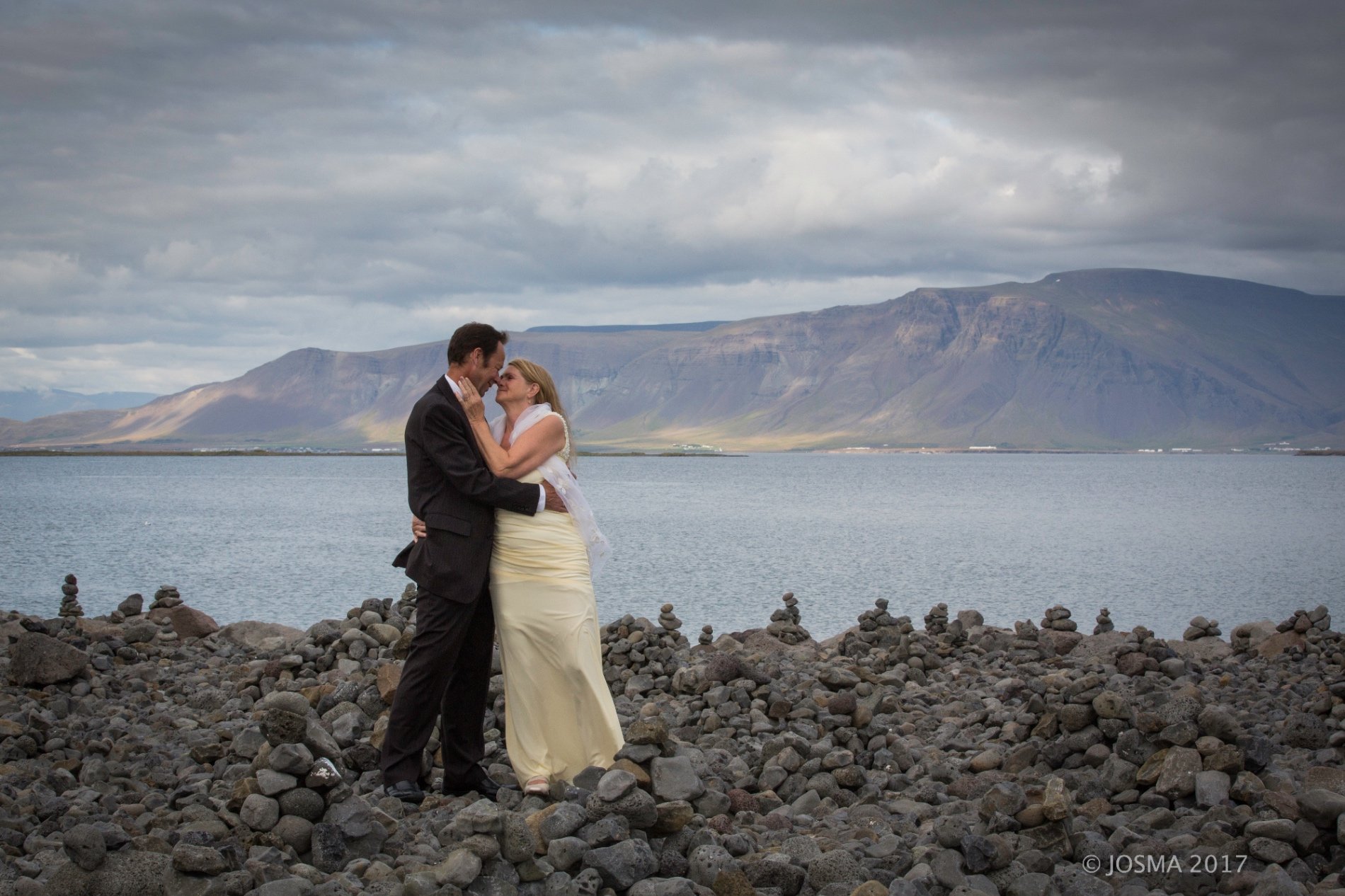
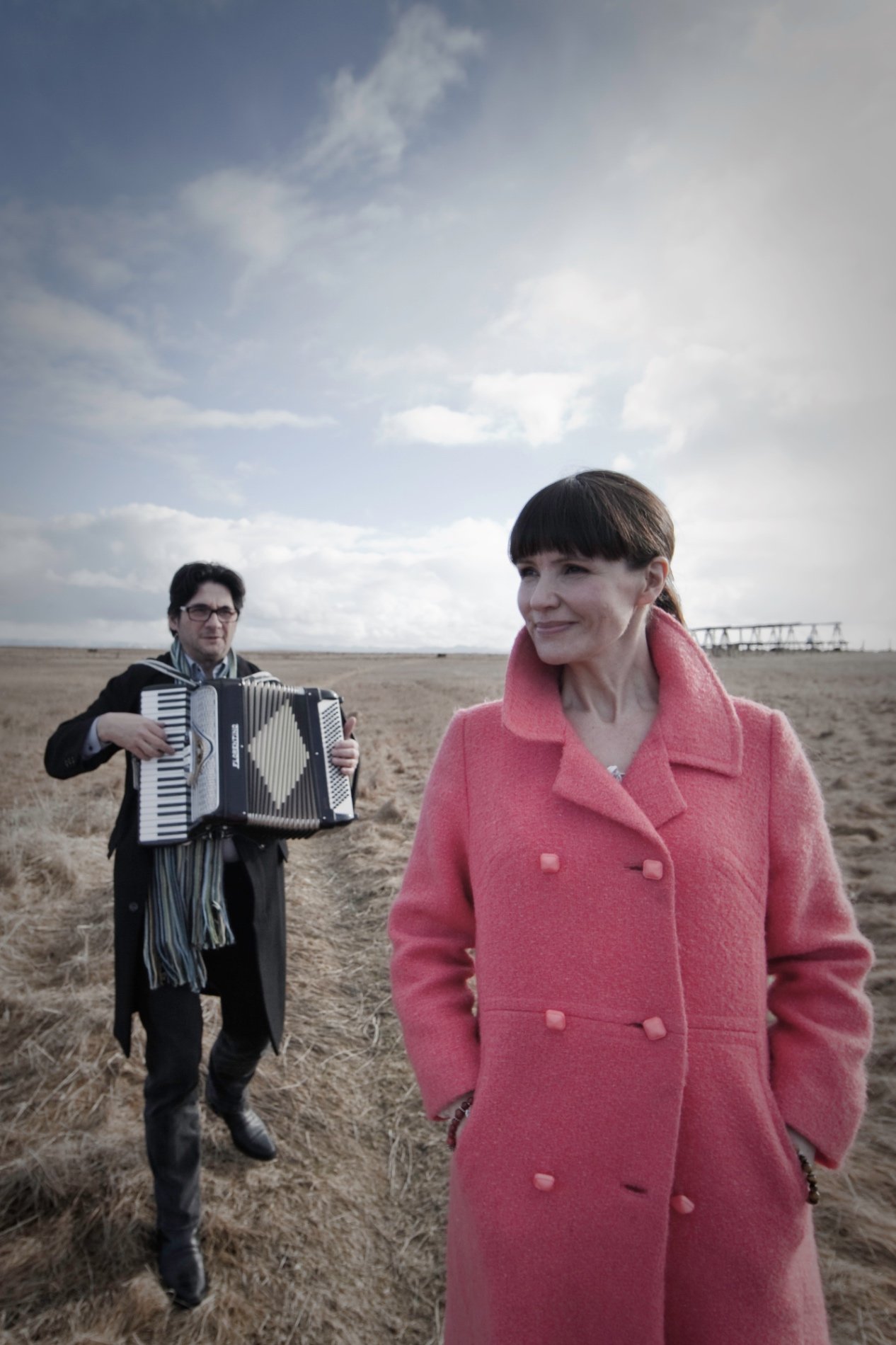
Real shots from Reykjavík
What the light actually does
In Reykjavík, October opens with about eleven and a quarter hours of daylight — sunrise near half past seven, sunset just before seven in the evening — and closes with about eight and a quarter: sunrise close to nine, sunset a little after five. You lose roughly six or seven minutes a day, three full hours across the month.
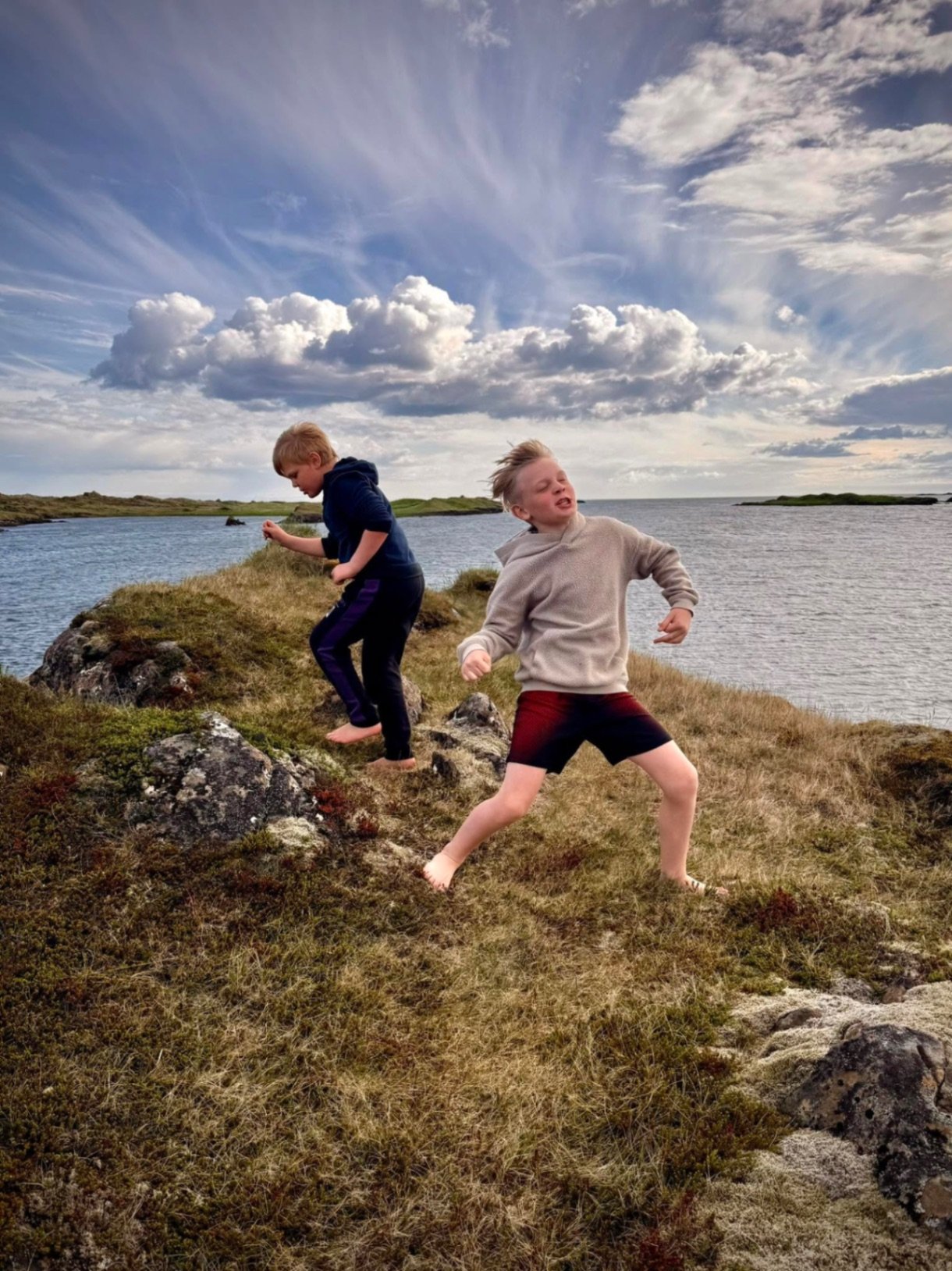
That sounds like a loss and mostly isn't. At sixty-four degrees north the sun climbs at a shallow angle even at noon, so October's light is warm and low for a long stretch at each end of the day rather than for the twenty minutes a golden hour lasts further south. A session at ten in the morning or three in the afternoon is genuinely good light, not a compromise. And unlike almost everywhere else in Europe, Iceland does not change its clocks — the country stays on UTC all year, so there is no late-October hour to lose track of.
The practical consequence: October sessions fit into a normal day. Nobody has to get up at four, as they do in June, or shoot in the dark, as they do in December. If you want the fuller month-by-month picture, our guide to the best time of year for photos in Iceland sets October against the rest.
The first real aurora nights
The northern lights season runs roughly from September to April, and October is where it starts to feel like a season rather than a rumour. By the first week the sky is properly dark for several hours; by the end of the month, dark by half past six.
Two honest caveats. The aurora needs a clear sky and active conditions on the same night, and neither is bookable — nobody can promise you lights, and any photographer who does is selling something. And October is a cloudy month, so the strategy that works is several nights in the country rather than one, with a flexible slot rather than a fixed one. Read our honest guide to northern lights photoshoots before you build a trip around them.
Where to stand matters more than gear. Dark, open foregrounds win: Jökulsárlón with lights over floating ice, Þingvellir fifty minutes from the capital, or the east and north where towns are few and horizons are long.
Autumn colour, and where it lasts
Iceland has no forests to speak of, so its autumn is written low to the ground: birch scrub, blueberry heath and moss turning gold, rust and deep red across whole hillsides. The peak runs from late August in the north through September, which means October catches the tail — bright in the first week or two, and increasingly bare after that, especially in the north and after the first serious storm.
The colour lasts longest in sheltered, lower valleys in the west and south. Hraunfossar and Húsafell hold birch gold along the whole run of the falls into early October, on paved roads under two hours from Reykjavík; Þingvellir keeps rust and ochre in the rift for a similar window. Book early October if colour is the point, later October if the aurora is.
Roads: what is open and what is closing
This is the part of October that catches people out. The interior highland roads — the F-roads — close as the weather turns, typically from September into early October, and once they close they stay closed until late June. That takes Landmannalaugar and the whole Fjallabak interior off the table for most of the month; if the rhyolite mountains are on your list, October is the wrong month to gamble on them.
The ring road stays open and plowed all winter, but mountain passes get the first snow and the first closures, and wind is the more common reason a road shuts than snow is. Two rules cover it: check road.is on the morning of the shoot, not the night before, and treat any single-day, long-distance plan as provisional. A gravel side road that was fine in August — the last stretch to Stuðlagil, the track down to Fjaðrárgljúfur — may be icy or closed by late October.
What clients say about this kind of shoot
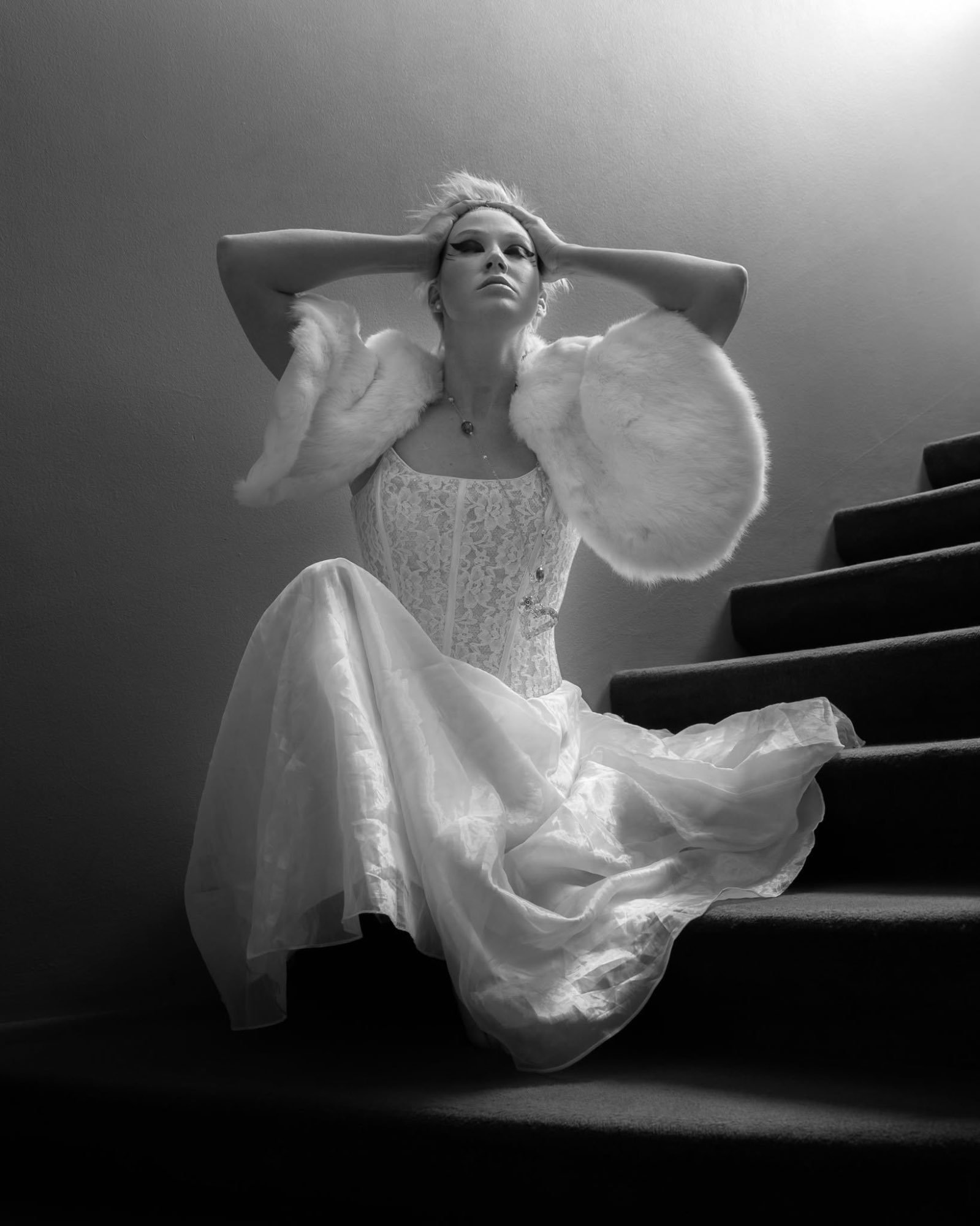
I am a part of a choir in Iceland, and we played a part in a JCS (Jesus Christ Superstar) production at Harpa in Reykjavík, Iceland. I asked my friend Johann Smári to attend the dress rehearsal and feel free to take some photos. The outcome was amongst these 4 photos here on the site and many more outstanding shots, which we use on posters and ads for our choir. And on top of it, Jóhann Smári is a good man and nice to have around.
— Gísli F. on Johann K.
I have done a few photoshoots with Smári and always have had a great experience. He is a great photographer and has such a good eye for great locations for the kind of photoshoot I had in mind. I am always surprised at how good the photos come out. If you are looking for someone with great experience on the best places to take photos, have worked in many events and all around great at bringing art to life, through lenses, then Smári is your guy.
— Marly G. on Johann K.
We absolutely love the photos Johann Smári took of us! He is professional, friendly, and made us feel so comfortable. We're so happy with the beautiful memories he captured. Highly recommend him!
— Kara & Gummi on Johann K.
This was such a wonderful experience to book on our last day in Iceland. Lisa was not only incredibly professional and talented as a photographer, but just so friendly and knowledgeable about Iceland's geography, lore and local intel, sharing so many anecdotes that it also felt like a private tour with a friend. It had a great personal touch — it felt like we experienced quieter spots of Iceland, away from the tourists. I lost track of how many times I smiled and laughed, and it was a perfect way to end the trip. If I ever come back to Iceland I will be booking Lisa again. Thank you, Lisa, for making our last day in Iceland truly magical ☆
— Adam on Lisa N.
Annsy really is the full package — high professionalism and absolutely delightful to work with. I definitely won't be looking elsewhere for my future projects.
— Sahar Z. on Annsy
Lisa was an absolutely amazing host! I loved how she was able to tailor the experience to me and let me explore little-known areas around the Golden Circle. She was funny, kind, super informative and an overall great person; she felt like a friend from the moment we met. I'm super excited to see the photos!
— KaRissi on Lisa N.
Fewer people, and what that is worth
By October the tour buses have thinned dramatically. The Golden Circle at ten in the morning in October is a different place from the Golden Circle at ten in the morning in July, and the difference shows in the pictures: fewer strangers in the background, less waiting for a viewpoint, and the freedom to shoot a scene twice.
Accommodation and car hire are cheaper too, and photographers' calendars are more open, which means a couples session in October can usually be moved by a day if the forecast demands it. That flexibility is worth more in Iceland than a fixed booking is.
What October asks of you
Reykjavík in October sits around seven degrees by day and two or three at night, but the number on the forecast is not the number you feel: the wind is the whole story, and rain arrives sideways. Waterproof outer layers, boots with grip, and warm layers underneath that still photograph well — our guide to what to wear for a photoshoot in Iceland is written exactly for this.
Two safety notes that October sharpens. Black beaches like Reynisfjara are sneaker-wave country in every season and the autumn swell is bigger, so shoreline frames stay high on the sand and nobody turns their back on the sea. And glacier ice is never walked on without a licensed guide, whatever the month.
Book it
Every photographer sets the price of each of their packages, and every price shown is all-inclusive — nothing is added at checkout. Browse the photographers, compare their packages on duration, region and photo count, and book the one that fits; your edited gallery usually arrives within about a week.
For October specifically, book the session with a plan B built in — a nearby indoor-adjacent location, or a second date — and tell your photographer whether colour or aurora matters more, because those two point at different halves of the month. Browse our Iceland photographers and say which one you are chasing.
Frequently asked questions
How many hours of daylight does Iceland get in October?
About eleven and a quarter hours at the start of the month in Reykjavík and about eight and a quarter by the 31st, losing roughly six or seven minutes a day. Because the sun stays low, that daylight is unusually warm and flattering for long stretches at either end. Iceland does not change its clocks, so times stay on UTC through the month with no late-October shift.
Can you see the northern lights in Iceland in October?
Yes — October falls inside the September-to-April aurora season, and nights are properly dark for several hours from the first week. Nothing is guaranteed, though: you need clear sky and active conditions on the same night, and October is a cloudy month. Plan several nights rather than one, keep the slot flexible, and treat an aurora frame as a bonus rather than the reason the session exists.
Are the highland roads open in October?
Usually not. The interior F-roads close as the weather turns, generally from September into early October, and stay shut until late June, which takes Landmannalaugar and the Fjallabak interior out of the plan for most of the month. The ring road stays open year-round, but passes take the first snow and wind closes roads more often than snow does. Check road.is on the morning itself.
Is October a good month for a photoshoot in Iceland?
It is one of the best-balanced months. You get eight to eleven hours of low, warm light, dark enough nights for the aurora, autumn colour in the first half, far fewer people than in summer and cheaper travel. The trade-offs are cloud, wind and closed highland roads, so build the trip with a spare day and a flexible session date and October rewards you.
Want professional photos in Reykjavík?
Browse portfolios, compare packages, and book a verified local photographer in minutes.