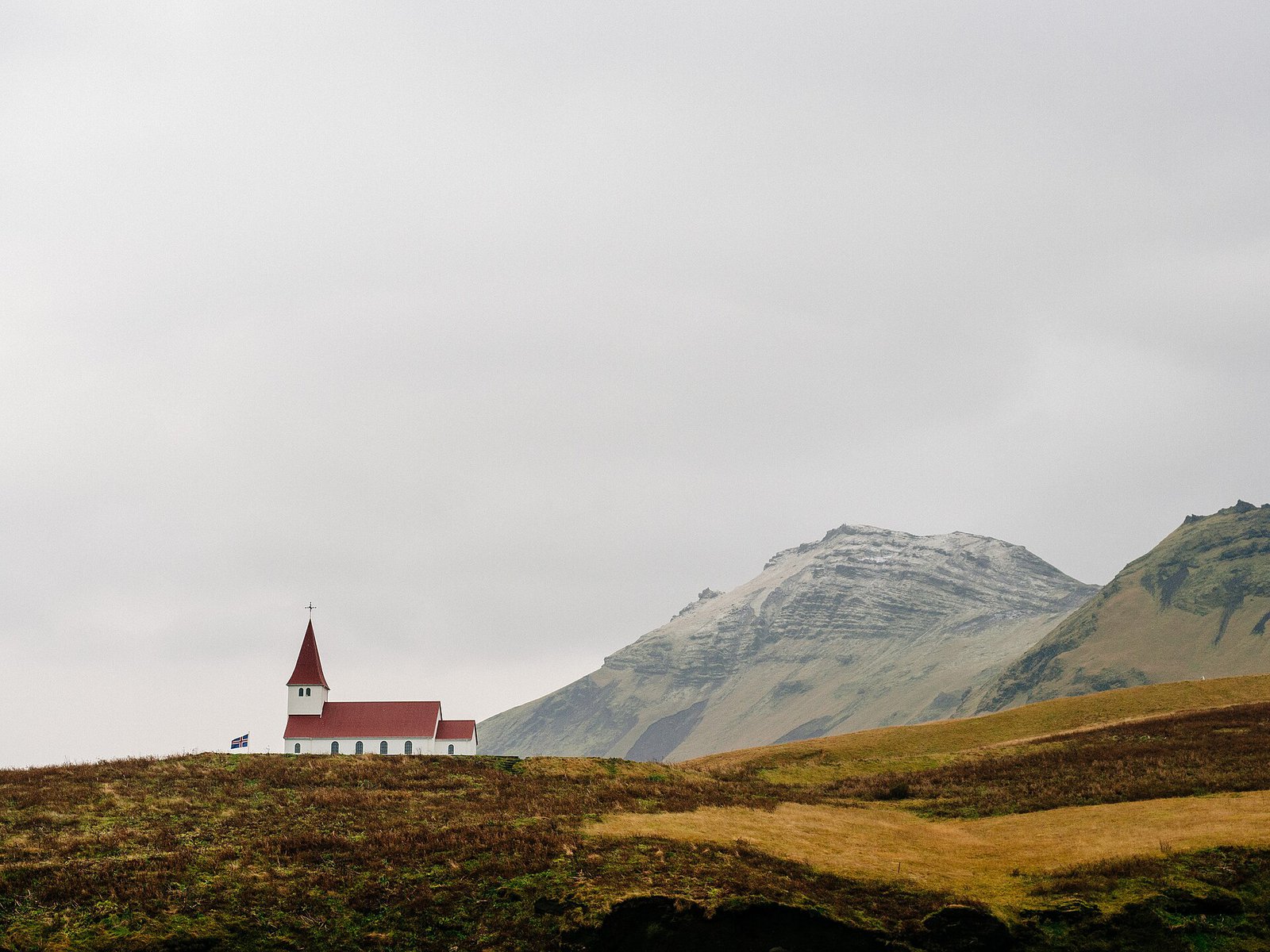
Photo spot in Vík
Gígjagjá, the cave in Hjörleifshöfði
A cave mouth in the flank of a lone headland east of Vík, shaped like a hood — inside is black sand and shelter, outside is an empty volcanic plain.
About Gígjagjá, the cave in Hjörleifshöfði
Get directionsTwelve kilometres east of Vík, Hjörleifshöfði rises out of the black desert of Mýrdalssandur like an island left behind by the sea, which is exactly what it is. Low on its western flank a cave called Gígjagjá opens in the rock; from inside, the opening frames the plain in a shape people recognise from a film and now call the Yoda Cave. The floor is soft black sand, the walls are ribbed brown rock, and the outside world appears as one bright cut-out shape.
The picture is a silhouette-or-not decision. Expose for the couple and the opening burns out into pure white; expose for the plain and they go to a clean black shape inside the hood. Both are good, and the second is the one people ask for. Light comes in from the west, so late afternoon and evening push it deepest into the cave — in June that means a session at ten or eleven at night, in December a narrow window in the early afternoon before the light goes.
Getting there is the part to plan. A gravel track leaves Route 1 and runs a few kilometres across the sand to a small parking area, then a short walk over loose black sand and a slope to the cave mouth. The track is passable for normal cars in summer but it is sand and it drifts; after storms or in winter conditions it can be a bad idea in a two-wheel-drive car, and this coast closes roads for wind more often than most visitors expect. Check road conditions the morning of the shoot.
The cave is a natural, unmanaged place: no rails, no lighting, loose rock at the edges, and a floor that is easy to walk but soaks shoes. Nothing about it is dangerous if you stay off the steep sides and keep out from under the overhang's crumbling lip. There is no shelter on the walk in, and the wind across Mýrdalssandur carries sand — bring a bag that closes for the gear and a jacket you do not mind sandblasting.
Best time to shoot
Late afternoon and evening, when the light reaches deepest inside
Tips
Decide between silhouette and detail before you set up — the exposure gap is large. Check road and wind conditions; the sand track drifts and closes.
Recent work in Vík
Portfolio shots by photographers covering this area
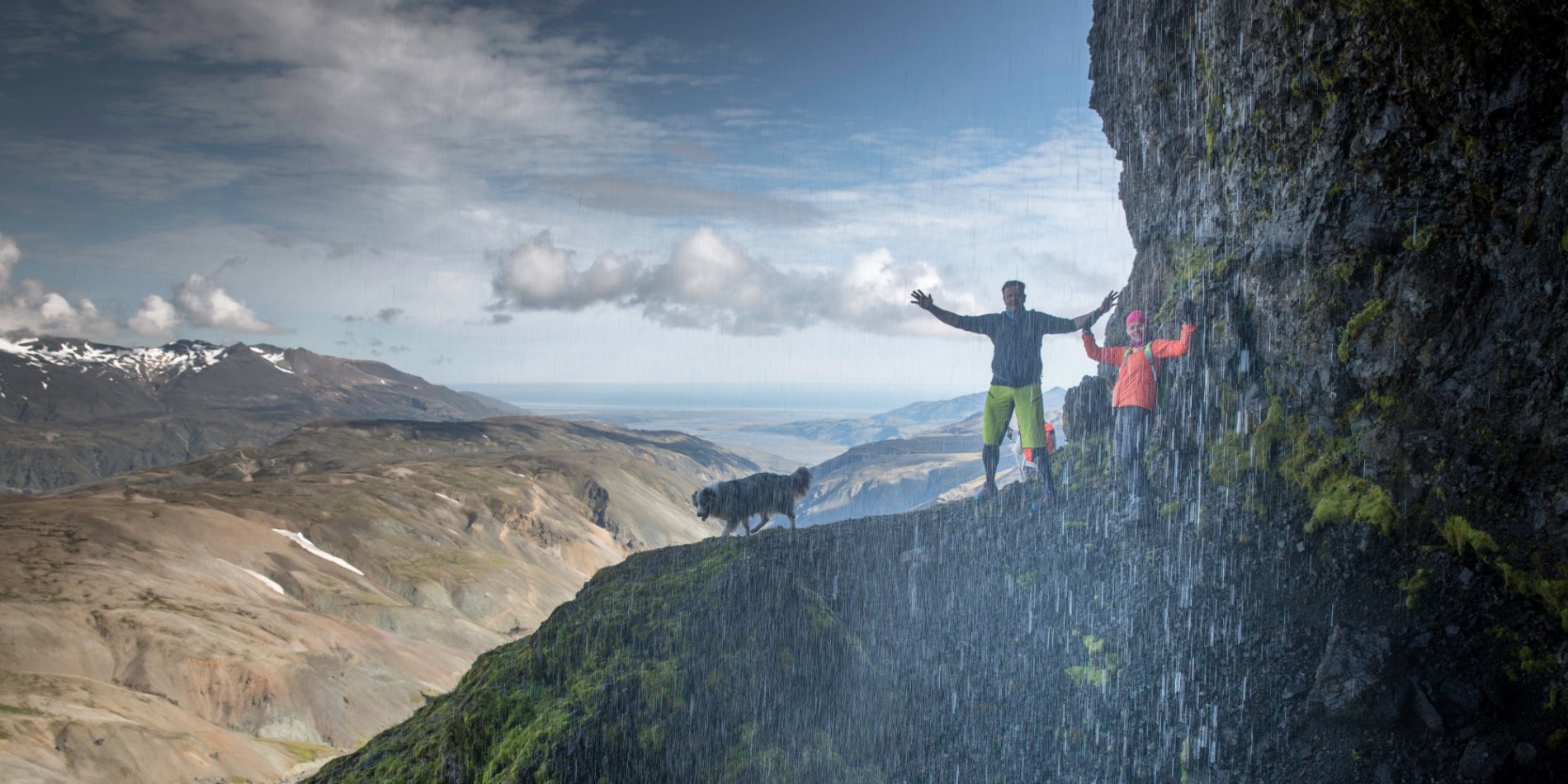
Photographers who shoot at Gígjagjá, the cave in Hjörleifshöfði
Hand-picked professionals working in Vík
Real reviews from Vík photoshoots
Marly G.
I have done a few photoshoots with Smári and always have had a great experience. He is a great photographer and has such a good eye for great locations for the kind of photoshoot I had in mind. I am always surprised at how good the photos…
Johann K.
Photographer
Gísli F.
I am a part of a choir in Iceland, and we played a part in a JCS (Jesus Christ Superstar) production at Harpa in Reykjavík, Iceland. I asked my friend Johann Smári to attend the dress rehearsal and feel free to take some photos. The…
Johann K.
Photographer
Other spots in Vík
Víkurfjara black beach & Reynisdrangar
The black-sand beach below the village, with the Reynisdrangar sea stacks rising offshore — Vík's signature frame, and calmer than its famous neighbour Reynisfjara.
Víkurkirkja hill
The little red-roofed church on the hill above Vík — the whole bay, beach and sea stacks laid out behind it, and green skies over the roof in aurora season.
Ready to book?
Our concierge team will hand-pick 2-3 photographers who know Gígjagjá, the cave in Hjörleifshöfði — free of charge.